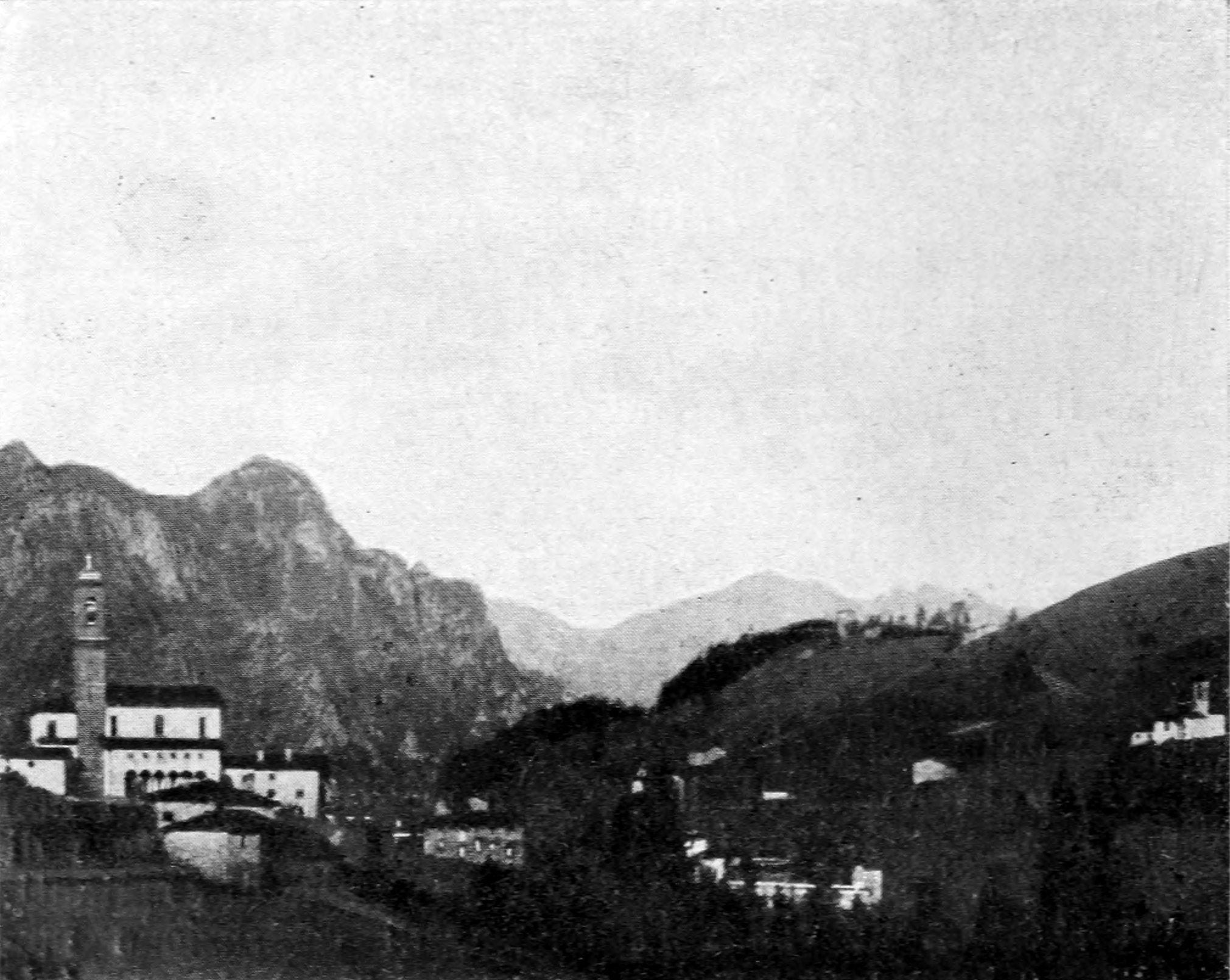
Oltre il Colle · Zorzone · Val Vedra
History and mines
Beneath the basin between Alben and Arera they dug for zinc: two centuries of tunnels that shaped the villages, the paths and the surnames of Oltre il Colle.
There are 920 residents according to the ISTAT estimate at 1 January 2026, less than half the 1,945 counted in 1951, and one in three is 65 or older. But the village is not measured by the register alone: at the 2021 census ISTAT counted 3,113 dwellings in the municipality for 488 resident households, and the municipality writes that the basin can host more than ten thousand visitors, many of whom have become regular holidaymakers. Among those born here there is even an Olympic cross-country skier: Benoît Carrara, born in Oltre il Colle on 7 May 1926, competed for France at the 1948 and 1952 Winter Games.
The history of Oltre il Colle is written underground. Since the Middle Ages the inhabitants worked iron, and from the nineteenth century the extraction of calamine, sphalerite and galena, which yielded zinc, lead and small amounts of silver, made the basin one of the mining districts of the Orobie, with about three hundred workers at its peak. The complex along the Val Parina, Val del Riso and Val Vedra axis is estimated at almost 250 kilometres of tunnels; the Val Vedra mine above Zorzone was considered the main zinc mine of the Orobie, and on the Arera there was also open-cast work from the nineteenth century in the site known as Luna. Activity ceased for good in 1982.
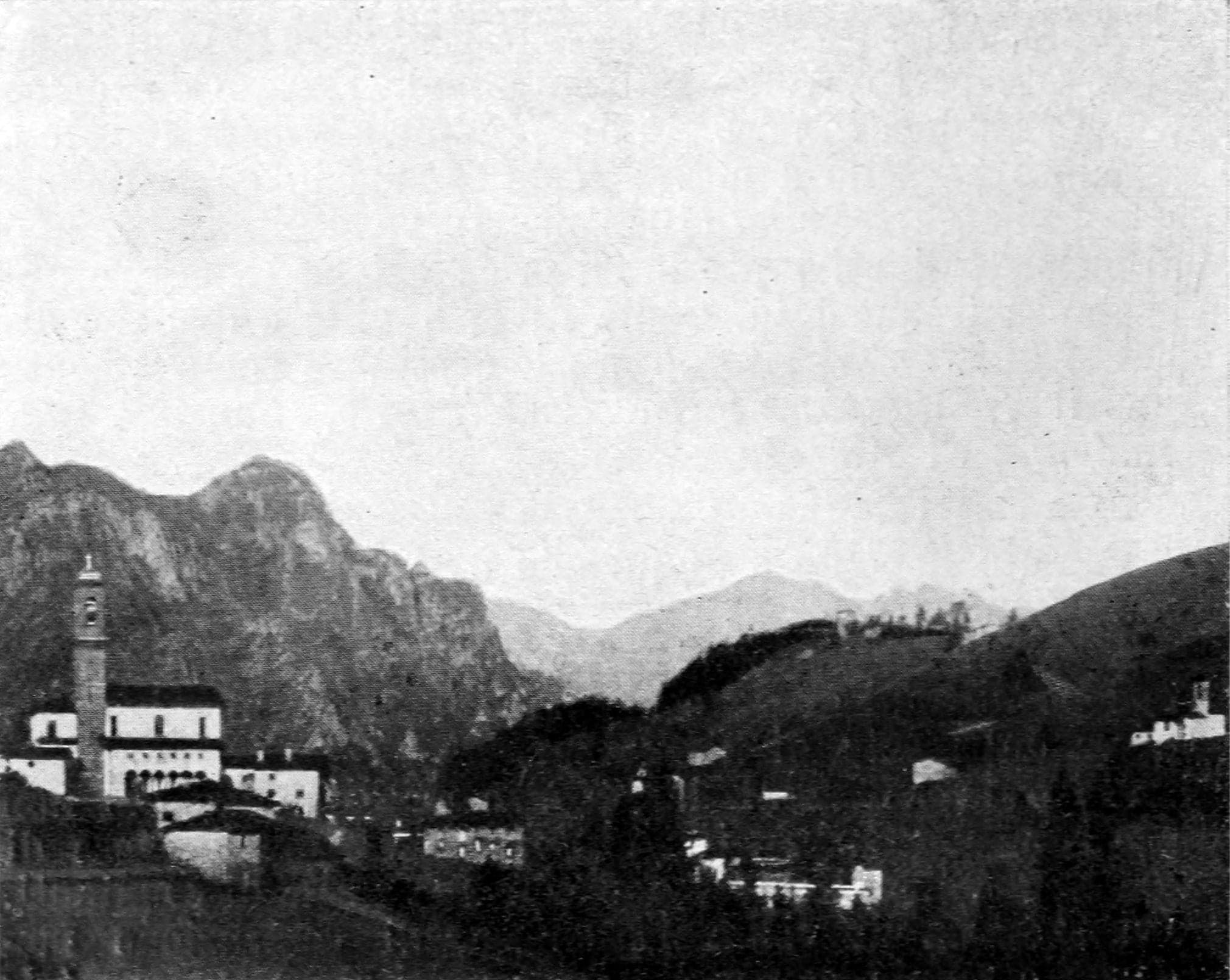
Photo: Autore sconosciuto · Public domain
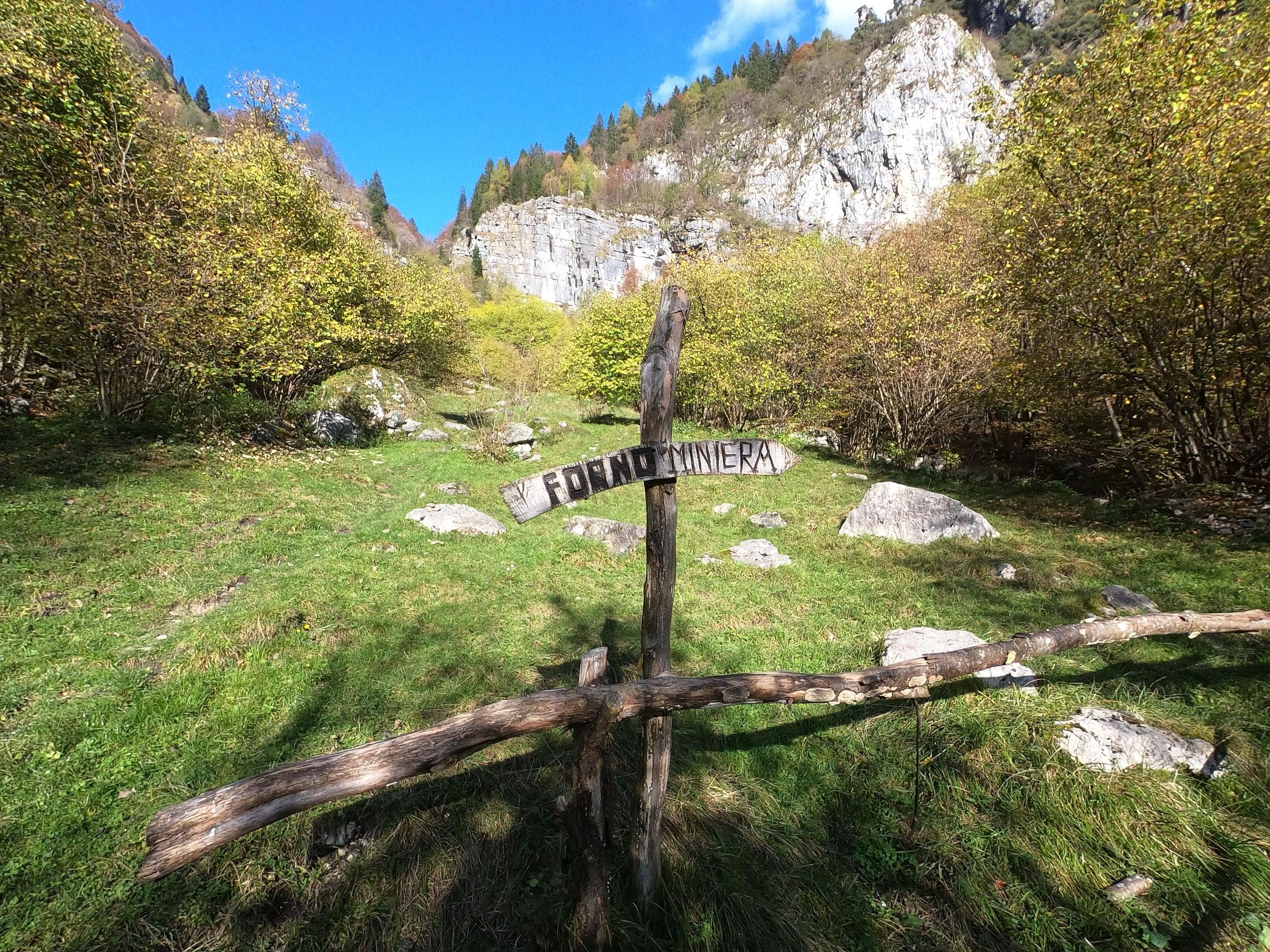
Photo: Amadvance · CC BY-SA 4.0
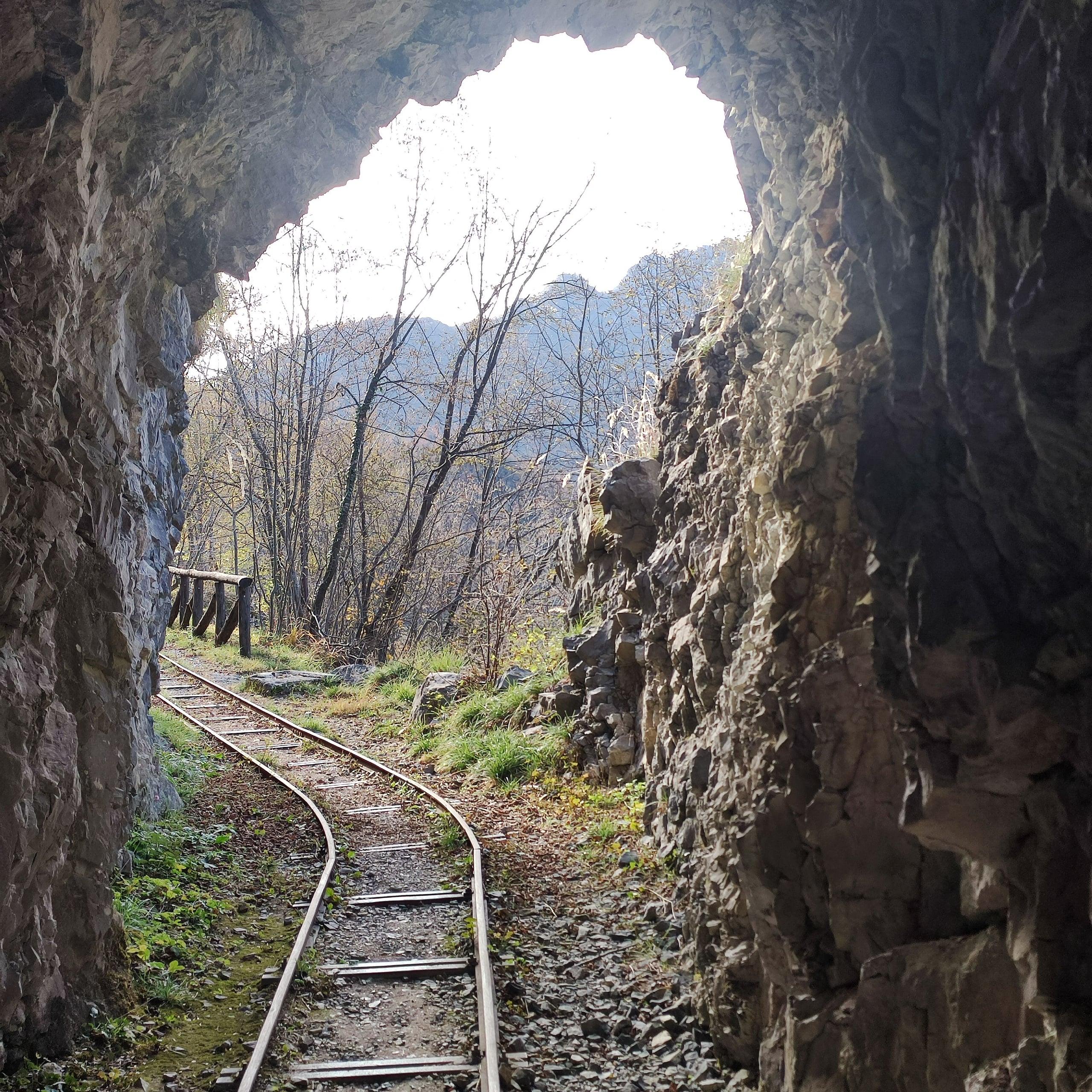
Photo: Museo delle miniere di Gorno · CC0
Timeline
The milestones, in order
Every entry lists the sources it is drawn from: archives, the municipality, the Comunità Montana, mining literature.
1186-1287
From the bishop to the villagers: the first records of the basin
The earliest records concern grazing and hunting. According to the Wikipedia article on the Val Serina, in a document of 1186 Guala, bishop of Bergamo, granted the people of Bracca and other communities of the valley grazing and hunting rights on the slopes of the Arera, keeping bear hunting for himself. A boundary deed of 1234 shows the territory of today's Oltre il Colle within the large commune of Serina, according to Lombardia Beni Culturali (Wikipedia instead assigns it to the commune of Bracca-Lepreno). At the end of the thirteenth century the bishop still held the rights to hunt bear and chamois throughout the upper Val Serina, but the local communities, led by Grimoldo and alongside it Capriana, Vandullo and Vanini, were beginning to free themselves; the local historian Massimo Maurizio dates to 4 May 1287 the purchase of the upper valley by the men of Serina and Grimoldo, for 624 imperial lire.
lombardiabeniculturali.it · it.wikipedia.org · valserina.blogspot.com
Middle Ages
Iron, nails and pikes before zinc
Before zinc there was iron. The archival record of Lombardia Beni Culturali links the first settlements of the basin, perhaps, to the extraction of iron and zinc on the Menna and the Arera, certainly practised since the Middle Ages. The inhabitants traded livestock and wine and made pikes and shafts, spade and pickaxe handles; Wikipedia adds that they were known makers of nails and weapons, made from local iron and from that of the Val di Scalve, and that the local lords encouraged these trades to prevent mass emigration.
1428-1482
Under the Republic of Venice
In 1428 the Bergamo area passed to the Republic of Venice, which held it until 1797. The Serenissima divided the Valle Brembana into vicariates: the basin belonged to the Upper Valle Brembana, whose chief town was Serina, seat of the Venetian vicar and of the meetings of the valley councils governed by the statute of 1468. Among the Venetian acts closest to the mining district is the decree of 9 April 1482 by which the Republic authorised the reopening of the Gorno mines, on the other side of the Colle di Zambla.
it.wikipedia.org · it.wikipedia.org · ecomuseominieredigorno.it
1449
San Bartolomeo becomes a parish
The religious community came more than a century before the civil one. By a decree of 5 April 1449 the bishop of Bergamo, Polidoro Foscari, separated the church of San Bartolomeo from its mother church, San Giacomo in Lepreno, and made it a parish; the deed, drawn up in Bergamo by the notary Giovanni Francesco Cavagnis of Cornalba, was signed in the presence of the representatives of the men of the hamlet of Grimoldo. For more than a century San Bartolomeo was the only parish in the basin; when the synod of 1568 created the rural vicariates, it joined the pieve of Dossena.
lombardiabeniculturali.it · lombardiabeniculturali.it · it.wikipedia.org
1468-1512
«Ultracollum» in the documents, and a drawing attributed to Leonardo
The name appears early in the documents: the valley statutes of 1468 mention Antonio Bernardo Pavoncelli, vice-consul of Oltre il Colle; in the statutes of Bergamo of 1491 the village is Ultracollum, among the communes of the faggia of Porta Sant'Alessandro; in a boundary deed of 1506 the consuls of Oltre il Colle appear beside those of Serina and Gorno. At the Zorzone museum the mining story begins with a drawing of the Arera attributed to Leonardo da Vinci, sheet 12410 of the royal collection at Windsor, and with the hypothesis of a visit between 1506 and 1507. In the Royal Collection catalogue, however, the sheet is titled «The Alps seen from Milan» and dated to about 1510-1512, and its identification with the Arera remains disputed.
lombardiabeniculturali.it · vallebrembana.bg.it · commons.wikimedia.org · bergamonews.it
1569-1610
Independence from Serina and the five «colonnelli»
In 1569 the community obtained full administrative independence from Serina, as a note in the municipal statute of 1610 records and as the report of Giovanni Da Lezze of 1596 confirms, counting 100 households and 654 inhabitants. The commune was divided into five «colonnelli», but the two Lombardia Beni Culturali records list them differently: San Bartolomeo, Valpiana, Zambla Alta, Zambla Bassa and Zorzone in one; «del comune», «de Tiraboschi», «della Valle», «de Carrara» and «di Valpiana» in the other, partly by families and partly by places. It was governed by a consul and five elders; the Ordini e Capitoli of January 1610 entrusted the finances to a treasurer, the canevaro, overseen by four auditors.
1575-1587
Saint Charles Borromeo at Oltre il Colle and the parish of Zambla
On 28 September 1575 the archbishop of Milan, Charles Borromeo, on a pastoral visit, found four altars at San Bartolomeo and a community of about 500 souls, 300 of them admitted to communion; the church was under the patronage of the community, and the confraternity of the Misericordia and the school of the Corpus Domini were active there. Twelve years later, on 17 November 1587, bishop Gerolamo Ragazzoni made the church of Santa Maria Maddalena in Zambla independent: it was the first hamlet to have its own parish. The survey of churches of 1666 would give it 352 parishioners, against 196 at San Bartolomeo.
lombardiabeniculturali.it · lombardiabeniculturali.it · beweb.chiesacattolica.it
1630-1644
The plague, San Rocco and the parish of Zorzone
The plague of 1630 struck the Valle Brembana hard: according to Wikipedia it caused 6,313 deaths among 16,440 inhabitants. In Zorzone it is remembered by the chapel of San Rocco, built in 1640 by the villagers in thanks for having been spared, on the mule track that runs down to the Parina stream. In the same years the hamlet obtained its parish: on 24 September 1636 bishop Luigi Grimani canonically established the church of Zorzone, consecrated on 21 June 1644 by the auxiliary bishop Giovan Battista Dovera under the title of the Holy Trinity.
it.wikipedia.org · beweb.chiesacattolica.it · lombardiabeniculturali.it
1712-1755
The eighteenth century of the churches: Zambla Alta, Zambla Bassa and Zorzone
The eighteenth century renewed the churches of the basin. By a decree of 28 July 1712 the Venetian Senate allowed the few inhabitants of Zambla Alta to build a church of the Immaculate Conception, subsidiary to the parish church, blessed in 1718 by the archpriest of Dossena. On 18 July 1737 bishop Antonio Redetti consecrated the rebuilt church of Santa Maria Maddalena in Zambla Bassa, adding the title of the Blessed Virgin Mary. In Zorzone the seventeenth-century church, by then too small, was rebuilt between 1745 and 1755 to a design by Giovan Battista Caniana, who died in 1754 before the work was finished.
beweb.chiesacattolica.it · lombardiabeniculturali.it · lombardiabeniculturali.it · beweb.chiesacattolica.it · it.wikipedia.org
1778-1781
Bishop Dolfin's visit and a new municipal council
Between 1778 and 1781 bishop Giovanni Paolo Dolfin visited the three parishes: San Bartolomeo had five altars and about 300 souls, Zambla four altars, Zorzone three altars and 185 parishioners; at Grimoldo there was the oratory of the Nativity of Mary, at Zambla Alta that of the Immaculate Conception. In 1780 Dolfin consecrated both San Bartolomeo and the new Santissima Trinità in Zorzone. Meanwhile, in 1779, a long dispute between «originari», the old families, and «forestieri», the newcomers, ended with a reform of the commune: the special council grew from five to ten members, elected no longer by the colonnelli but by the hamlets, four for Zambla and two each for San Bartolomeo, Zorzone and Valpiana.
lombardiabeniculturali.it · lombardiabeniculturali.it · lombardiabeniculturali.it · beweb.chiesacattolica.it · beweb.chiesacattolica.it · lombardiabeniculturali.it
1797-1861
From Napoleon to the unification of Italy
In April 1797, under the Republic of Bergamo, Zambla and Zorzone declared themselves independent communes, but in March 1798 they rejoined Oltre il Colle, which then moved from one district to another. The commune had 849 inhabitants in 1805 and 881 in 1809; from January 1810 it was merged with Serina, and in April 1812 a prefectural decree restored its independence, with no further change to its boundaries. In the Kingdom of Lombardy-Venetia it belonged to the district of Zogno: 663 inhabitants in 1816, 870 in 1853. On annexation to the Kingdom of Sardinia, in 1859, it had 909 inhabitants, a council of fifteen members and an executive of two; at the 1861 census, the first of the Kingdom of Italy, there were 967 residents.
lombardiabeniculturali.it · lombardiabeniculturali.it · lombardiabeniculturali.it · lombardiabeniculturali.it · lombardiabeniculturali.it · lombardiabeniculturali.it
1870-1901
English and Belgian companies discover the basin's zinc
The zinc industry arrived with foreign capital. In 1870 the London company Richardson took over some concessions between Gorno and Oltre il Colle from the Sileoni firm; in 1883 it handed them to the English Crown Spelter Company, which in 1884 also leased the mines of Monte Arera and Zambla from the Modigliani brothers and built kilns to roast calamine at Camerata Cornello. By 1888 Crown Spelter ran all the zinc mines of the Bergamo area, but in the same year the Belgian Vieille Montagne arrived and acquired, among others, the concessions of Zambla, Monte Arera, Oltre il Colle and Val Vedra. Wikipedia places the arrival of the foreign companies earlier, around 1850. The population was growing: 1,175 inhabitants in 1881, 1,375 in 1901.
lombardiarchivi.servizirl.it · lombardiarchivi.servizirl.it · lombardiarchivi.servizirl.it · it.wikipedia.org · lombardiabeniculturali.it
1922-1935
Between the wars: Vieille Montagne and the new San Bartolomeo
On 22 June 1922 Crown Spelter handed its concessions to Vieille Montagne, which divided the Bergamo deposits into two groups, Valle Seriana and Valle Brembana, separated by the Crocetta-Sinelle line at the Colle di Zambla. In 1927 the Rivista di Bergamo described the Riso-Parina tunnel with its rails, its small wagons hauled by horses and mules and, 1,500 metres from the entrance, an underground power station working since 1925, able to light Gorno, Oneta and Oltre il Colle as well. The population reached 1,727 in 1931. In the same years the main village changed its look: in 1930 the bell tower of San Bartolomeo was raised, and in 1935 the church was enlarged to a design by Luigi Angelini, with the portico on three sides.
lombardiarchivi.servizirl.it · lombardiarchivi.servizirl.it · ecomuseominieredigorno.it · lombardiabeniculturali.it · beweb.chiesacattolica.it
1940-1942
Expropriation and the birth of SAPEZ
In 1940 the Italian government expropriated Vieille Montagne: its concessions passed to the Azienda minerali metallici italiani and, by a decree of 1941, to the Società anonima nichelio e metalli nobili. At the beginning of 1942 the Belgian company gave up all claims on its Italian sites in exchange for a credit of 8 million lire, and on 3 January SAPEZ, Società anonima piombo e zinco, was founded in Rome as owner of the mining sites of Gorno, Oneta and Oltre il Colle: 350 workers on shifts covering 24 hours. In 1942 the design for a municipal coat of arms with the miner's pick was also submitted; it was approved only in 1956.
lombardiarchivi.servizirl.it · lombardiarchivi.servizirl.it · lombardiarchivi.servizirl.it · stemmiprovinciabergamo.it
1944-1945
The «24 Maggio» brigade and the round-ups in the Val Serina
The Giustizia e Libertà partisan brigade «24 Maggio» was born in Oltre il Colle in 1944, with a first group of about ten men led by Giuseppe Baroni, «Rossi»: the testimonies collected by the Blog della Valserina place its birth between 5 May and the beginning of summer. Many men hiding in the mountains found shelter working in the SAPEZ mines, which in those months produced under German control. On 25 November 1944 a fascist unit under captain Aldo Resmini stopped the Zambla-Bergamo bus shortly before Rosolo and attacked Cornalba: fifteen partisans died, among them their commander Giacomo Ratti, known as «Tiragallo». On 1 December another round-up killed five more. At the beginning of February 1945 the group returned to the valley, above Zorzone, and between 17 and 18 February it raided the SAPEZ storehouses.
valserina.blogspot.com · it.wikipedia.org · lombardiarchivi.servizirl.it
1944
The Lady Irene crashes on Monte Menna
On the night of 4 October 1944 an American B-24 Liberator bomber, the Lady Irene, crashed just below the ridge of Monte Menna, at the place called Pezzadello, at around 2,250 metres. It had taken off from Brindisi on a secret mission to supply the partisans; on board were ten American airmen and three Italians, all of whom died. The sources differ on the drop zone, Lake Endine or the hills of San Fermo, and on the causes, perhaps the bad weather. The bodies, buried on the spot, were later moved to Jefferson Barracks National Cemetery in St. Louis. Since 2016 a memorial in the Zorzone museum, born of Massimo Maurizio's research, has kept objects and remains of the aircraft.
1951-1955
New bells, electrolytic zinc and AMMI
In 1951 the parishes received new bells: on 3 March bishop Adriano Bernareggi consecrated the eight bells of San Bartolomeo, recast by the Crespi foundry together with the bells that had escaped wartime requisition, and the five of Zorzone, also by Crespi; on 22 August those of Zambla, cast by the Capanni foundry; at Zambla Alta the five bells were the work of Giorgio Pruneri of Grosio. In June 1952 the electrolytic smelter at Ponte Nossa, financed under the Marshall Plan, went into production: there the district's ore, concentrated at the Riso processing plant, was turned into metal. On 10 December 1954 SAPEZ was absorbed into AMMI, and in 1955 the concessions of the Val Seriana and the Val Brembana passed to it.
beweb.chiesacattolica.it · beweb.chiesacattolica.it · beweb.chiesacattolica.it · beweb.chiesacattolica.it · lombardiarchivi.servizirl.it · ecomuseominieredigorno.it
1951-2021
From a peak of 1,945 inhabitants to fewer than a thousand
The mines also explain the population curve. From 967 inhabitants in 1861 the commune grew to 1,599 in 1921 and reached its peak at the 1951 census, with 1,945 residents. Then the decline began: 1,873 in 1961, 1,574 in 1971, 1,376 in 1981, 1,236 in 1991, 1,142 in 2001, 1,058 in 2011 and 980 at the 2021 census. For 1871 the sources disagree: Lombardia Beni Culturali gives 971 inhabitants, the ISTAT data published by Wikipedia 1,090.
1956
The pick and the fountain on the coat of arms
The coat of arms took a long time to come about. A first design, adopted by the podestà Gino Tiraboschi in February 1940, combined swords, mountains, an ox and the old name Grimaldo; the Lombard heraldic commission rejected it in June 1941. The second, of May 1942, is the current one: a silver pick planted on a three-peaked mountain, for the mines of calamine and silver-bearing lead, and a gushing fountain, for the spring of saline and ferruginous mineral water used for cures and baths. Interrupted by the war, the procedure resumed in 1956 and ended with the decree of the President of the Republic of 14 December 1956, which granted the arms and the banner, a cloth divided blue and red.
1960-1986
The parishes divide and reunite
On 28 June 1960 bishop Giuseppe Piazzi separated Zambla Alta from the parish of Zambla and made it an independent parish, also recognised by the State in February 1961. In 1971 the parishes of the basin joined pastoral zone V and from 27 May 1979 the local vicariate of Selvino-Serina. On 20 November 1986, with the reorganisation of church bodies, the two Zamblas were reunited in the parish of Santa Maria Maddalena e Santa Maria Immacolata. Today the three parishes of the municipality share the same parish priest and belong to the Territorial Church Community 4 Valle Brembana.
lombardiabeniculturali.it · lombardiabeniculturali.it · lombardiabeniculturali.it · diocesibg.it
1970-1982
The last investments and the closure of the mines
In the 1970s the Val Vedra mine was still working, and the mining archive documents new projects: the portal of the Zorzone drainage level (1971), a cableway at Cà Pasì (1970-1971), a mine road (1975), the general plan of the Riso-Parina tunnel (1976). At the end of 1978 AMMI merged into SAMIM, a company of the Eni group, and as late as 1980 new surface works were being planned at Cà Pasì. Then came the turning point: in 1982 SAMIM gave up the concession for the mines of the Valle del Riso and stopped extraction. The Ecomuseo in Gorno dates the end to 12 January 1982, the Zorzone museum to 1980, while a geological study of 2020 places SAMIM's last underground work as late as 1985.
lombardiarchivi.servizirl.it · sa-sardegna.cultura.gov.it · lombardiarchivi.servizirl.it · lombardiarchivi.servizirl.it · ecomuseominieredigorno.it · link.springer.com
1976-1977
The Giro d'Italia on the Colle di Zambla
The pass was twice part of the Giro d'Italia. On 11 June 1976 the twenty-first stage, from Terme di Comano to Bergamo, crossed the Colle di Zambla with Gianbattista Baronchelli first at the top; Felice Gimondi won the stage. On 9 June 1977 it was the turn of the nineteenth, from Pinzolo to San Pellegrino Terme, and Renato Laghi crossed the pass first and also won at the finish. According to the local historian Massimo Maurizio, the road over the pass had been open for only a few years: before, there was just a mule track.
it.wikipedia.org · it.wikipedia.org · it.wikipedia.org · cyclingcols.com · valserina.blogspot.com
1988-2012
The end of downhill skiing
Alpine skiing on the Arera and in the Conca dell'Alben did not last long. A lift in the Conca dell'Alben had stood idle since 1988, and the Arera ski tow ran until the 1990s. In October 2012, L'Eco di Bergamo reported, the municipality had the last three metal pylons of the Arera ski tow and six pylons of the Conca dell'Alben lift dismantled; mayor Valerio Carrara was considering turning the top station of the first chairlift, at 1,600 metres, into a mountain hut with about ten rooms and building a summer chairlift towards the Capanna 2000, depending, however, on funding.
1989
The mountains become part of the Orobie Bergamasche Park
The Orobie Bergamasche Park was created by regional law no. 56 of 15 September 1989, later merged into the regional consolidated law on parks, law no. 16 of 16 July 2007. Covering about 68,898 hectares, it spans the Bergamo side of the Orobie and includes land in dozens of municipalities of the mountain communities of the Val Seriana, the Val di Scalve and the Val Brembana, among them Oltre il Colle. Some areas of the municipality fall within the park, and with them the peaks that close the basin: Arera, Alben, Grem and Menna.
1992-1994
The Minerals Museum opens in Zorzone
A collection of minerals begun in the 1970s became a museum in the former primary school of Zorzone. The dates vary: the Ministry of Culture gives 1992 for the move to the new premises, the Comunità Montana Valle Brembana and the municipality 1994 for the opening. The curator, Franco Palazzi, had worked in the mine as a surveyor, and many former miners helped to set it up: on the ground floor the mine section with a reconstructed tunnel, on the first floor local and worldwide minerals and 450 fossils, on the second a multimedia room. In 2016 the Lady Irene memorial was added.
cultura.gov.it · vallebrembana.bg.it · comune.oltreilcolle.bg.it · lavocedellevalli.it
2004-2010
The Arera becomes an open-air museum
On 4 July 2004 the Arera's «sentiero dei fiori», the flower trail, was officially named after Claudio Brissoni (1923-2003), a scholar and popular writer on the alpine flora of Bergamo, who in countless hikes had worked out its best route. On 19 July 2008 the Orobie Park and the municipality laid the first stone of a «green cathedral» at Plassa; the final design by Giuliano Mauri (1938-2009) became reality in 2010 at Grumello, at 1,345 metres. The Cattedrale Vegetale, five naves and 42 columns of woven poles around living beeches, was inaugurated on 4 September 2010 together with the project of the Flower and Butterfly trails.
alpinaexcelsior.it · web.archive.org · ecodibergamo.it · it.wikipedia.org
2006-2026
Zorzone, the village of frescoes
In 2006 the mayor, Rosanna Manenti, launched a fresco competition in Zorzone to make the hamlet the «village of frescoes»: three editions were held until 2009, bringing scenes of the old way of life onto the façades. After twenty years the competition returned on 29 August 2026 with ValParinART: eight students of the Manzù art high school in Bergamo, led by Giovanni Bonaldi, painted seven new frescoes on the theme «C'era una volta», once upon a time, bringing the village's frescoes to 23. On the same day the artist Frode painted the mural «Memorie di luce» on the museum's façade, with the support of the BIM.
2014-2015
The Australians come back looking for zinc
In 2014 the Australian company Energia Minerals obtained permits to resume mining in the abandoned mines of Oltre il Colle, Gorno, Oneta, Premolo and Ardesio. At the beginning of 2015 it opened the Cà Pasì site, near Zorzone, entrusted to the firm Edilmac of Gorle: according to L'Eco di Bergamo, 4.3 million euros to make the tunnels safe and drill, with mining planned for the end of 2017. Mining never started, but a drilling campaign from the old Val Vedra tunnels located, a few hundred metres below the village, the «Zorzone» orebody, estimated by the company at 3.3 million tonnes grading 4.9 per cent zinc.
2018-2026
Vaia and the Cattedrale Vegetale growing back
At the end of October 2018 the Vaia storm, with gusts of over 200 kilometres an hour, destroyed about two thirds of the Cattedrale Vegetale's frameworks; the damaged columns were removed. In December 2019 the Orobie Park decided not to rebuild them: the work would carry on with what remained, maintained by the municipality, with signs telling its story. In 2023 33 of the 42 beeches remained, and mayor Ferruccio Ghilardi announced that the nine missing ones would be replanted with the Park; in June 2026 the municipality celebrated the renewed growth with a day of pruning, music and local produce.
ecodibergamo.it · bergamonews.it · primabergamo.it · valbrembanaweb.com
2025-2026
Mineral exploration suspended and authorised again
In 2025 the ministry halted the zinc exploration in the Oltre il Colle mines because of some drilling outside the approved plan, reported by the company itself, Vedra, which since 2012 has been working on the project to reopen the mines inside Monte Arera, and required an environmental impact assessment after the fact. In February 2026 the assessment was approved with conditions, including consultation with Arpa and Uniacque and continued environmental monitoring, after a spring had been struck during the drilling. The company says it has spent 16 million euros in fifteen years and that its mining plan is 90 per cent ready; before any extraction, however, it needs a new permit and investors.
To see
Museums, churches and villages
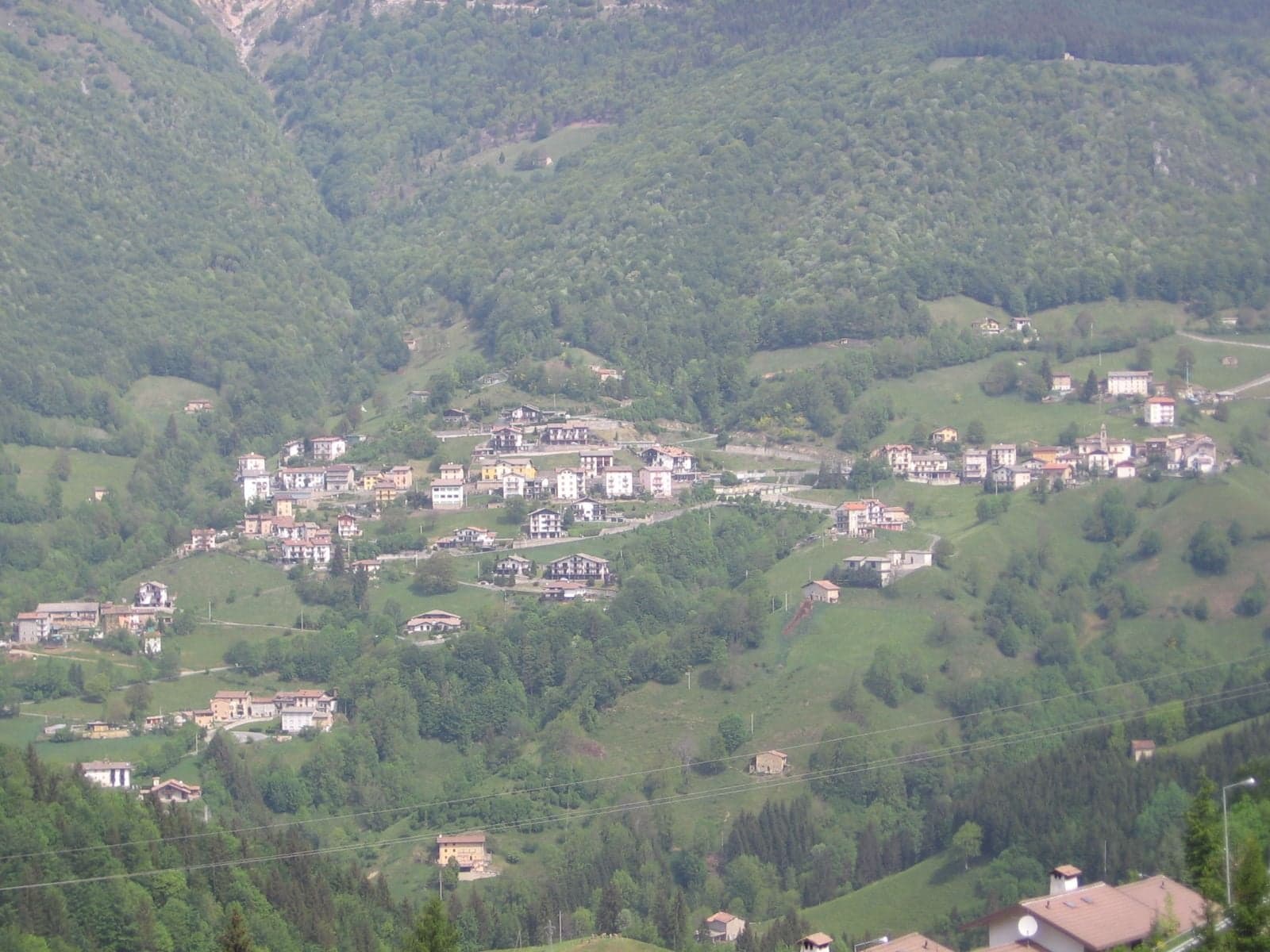
Museums · 2 minutes
Museum of Minerals and Mining in Zorzone
Three floors on the zinc and lead mines of Oltre il Colle in Zorzone's old school: miners' tools, a rebuilt tunnel, local minerals and a 1944 memorial.
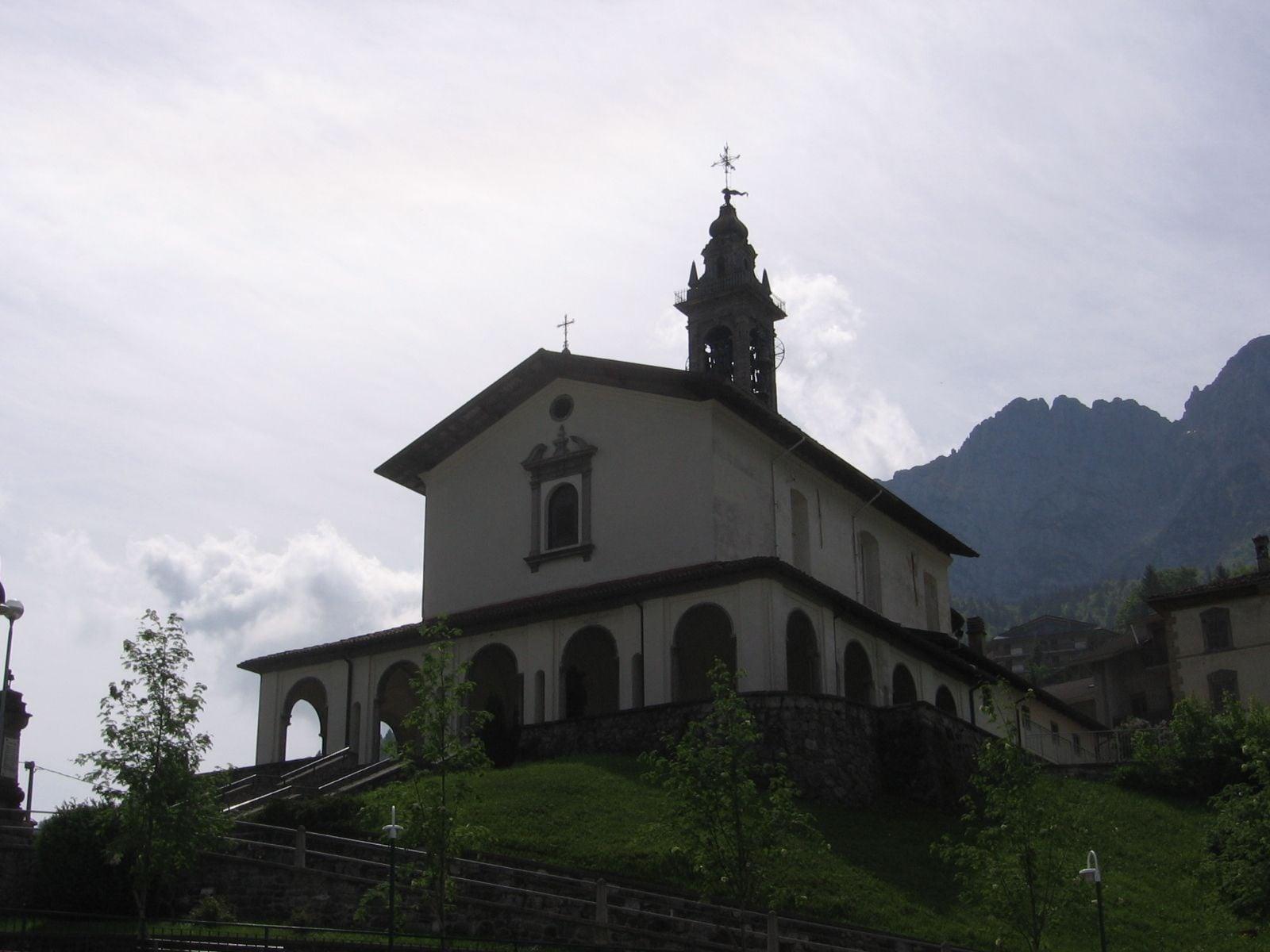
Churches · 2 minutes
Parish church of San Bartolomeo
The parish church of Oltre il Colle, a parish since 1449: Luigi Angelini's three-sided portico (1935), frescoes by Orelli, a canvas by Scuri and a Bossi organ.
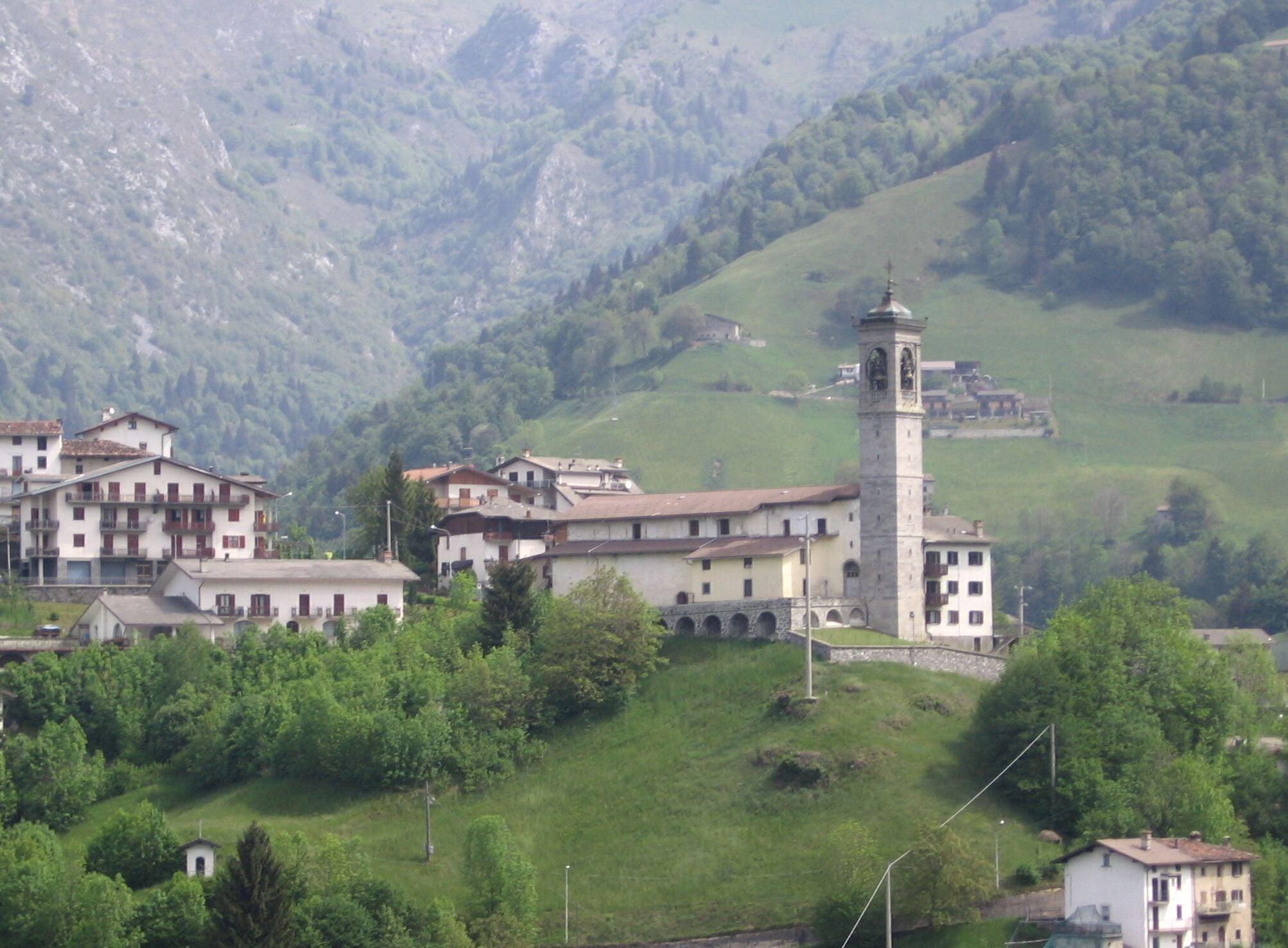
Churches · 2 minutes
Church of Santa Maria Maddalena in Zambla Bassa
The parish church of Zambla Bassa, independent since 1587 and consecrated in 1737: six altars in deep chapels, Cavagna's altarpiece and a Serassi organ of 1799.
Churches · 1 minute
Church of the Santissima Trinità in Zorzone
Zorzone's parish church, a parish since 1636, rebuilt between 1745 and 1755 to a design by Giovan Battista Caniana: dome, stucco work and a canvas of 1628.
Villages · 2 minutes
Zorzone, the mining village
Zorzone, at 1,019 metres, is the hamlet of the Val Vedra zinc mines: Caniana's church, the mining museum, 23 frescoes on the houses and the trails to the Menna.
All sources for this page
- Lombardia Beni Culturali, Comune di Oltre il Colle (soggetto produttore, sec. XIII - ) · www.lombardiabeniculturali.it · accessed on 1 October 2026
- Wikipedia, Val Serina · it.wikipedia.org · accessed on 1 October 2026
- Il Blog della Valserina, «Quattro passi con la storia: le contrade di Zambla Bassa» (agosto 2014) · valserina.blogspot.com · accessed on 1 October 2026
- Wikipedia, Oltre il Colle · it.wikipedia.org · accessed on 1 October 2026
- Wikipedia, Valle Brembana (la peste del 1630) · it.wikipedia.org · accessed on 1 October 2026
- Ecomuseo Miniere di Gorno, «Miniere e minatori» · www.ecomuseominieredigorno.it · accessed on 1 October 2026
- Lombardia Beni Culturali, parrocchia di San Bartolomeo apostolo (sec. XV - [1989]) · www.lombardiabeniculturali.it · accessed on 1 October 2026
- Wikipedia, Chiesa di San Bartolomeo (Oltre il Colle) · it.wikipedia.org · accessed on 1 October 2026
- Comunità Montana Valle Brembana, Museo dei Minerali a Zorzone · www.vallebrembana.bg.it · accessed on 1 October 2026
- Wikimedia Commons, Leonardo da Vinci, RCIN 912410 «The Alps seen from Milan» · commons.wikimedia.org · accessed on 1 October 2026
- BergamoNews, «Il monte Arera disegnato da Da Vinci in Valle Brembana» (4 giugno 2012) · www.bergamonews.it · accessed on 1 October 2026
- Lombardia Beni Culturali, comune di Oltre il Colle (sec. XIII - 1797) · www.lombardiabeniculturali.it · accessed on 1 October 2026
- Lombardia Beni Culturali, parrocchia di Santa Maria Maddalena (sec. XVI - 1986) · www.lombardiabeniculturali.it · accessed on 1 October 2026
- BeWeB, censimento della diocesi: Chiesa di Santa Maria Maddalena · www.beweb.chiesacattolica.it · accessed on 1 October 2026
- BeWeB, Cappella di San Rocco (Zorzone) · www.beweb.chiesacattolica.it · accessed on 1 October 2026
- Lombardia Beni Culturali, parrocchia della Santissima Trinità (sec. XVII - [1989]) · www.lombardiabeniculturali.it · accessed on 1 October 2026
- BeWeB, Chiesa di Santa Maria Immacolata (Zambla Alta) · www.beweb.chiesacattolica.it · accessed on 1 October 2026
- Lombardia Beni Culturali, parrocchia di Santa Maria Maddalena e Santa Maria Immacolata (1960 - 1986) · www.lombardiabeniculturali.it · accessed on 1 October 2026
- BeWeB, censimento della diocesi: Chiesa della Santissima Trinità · www.beweb.chiesacattolica.it · accessed on 1 October 2026
- Wikipedia, Giovan Battista Caniana · it.wikipedia.org · accessed on 1 October 2026
- BeWeB, censimento della diocesi: Chiesa di San Bartolomeo · www.beweb.chiesacattolica.it · accessed on 1 October 2026
- Lombardia Beni Culturali, comune di Oltre il Colle con Zorzone e Zambla (1798 - 1809) · www.lombardiabeniculturali.it · accessed on 1 October 2026
- Lombardia Beni Culturali, comune di Zorzone (1797 - 1798) · www.lombardiabeniculturali.it · accessed on 1 October 2026
- Lombardia Beni Culturali, comune di Zambla (1797 - 1798) · www.lombardiabeniculturali.it · accessed on 1 October 2026
- Lombardia Beni Culturali, comune di Oltre il Colle (1812 - 1815) · www.lombardiabeniculturali.it · accessed on 1 October 2026
- Lombardia Beni Culturali, comune di Oltre il Colle (1816 - 1859) · www.lombardiabeniculturali.it · accessed on 1 October 2026
- Lombardia Beni Culturali, comune di Oltre il Colle (1859 - [1971]) · www.lombardiabeniculturali.it · accessed on 1 October 2026
- Lombardia Archivi, Richardson & Company (profilo storico) · lombardiarchivi.servizirl.it · accessed on 1 October 2026
- Lombardia Archivi, The English Crown Spelter Company Limited (profilo storico) · lombardiarchivi.servizirl.it · accessed on 1 October 2026
- Lombardia Archivi, Société des Mines et Fonderies de Zinc de la Vieille Montagne (profilo storico) · lombardiarchivi.servizirl.it · accessed on 1 October 2026
- Ecomuseo Miniere di Gorno, «Laveria e località Turbina» (con la Rivista di Bergamo del 1927) · www.ecomuseominieredigorno.it · accessed on 1 October 2026
- Lombardia Archivi, Società anonima nichelio e metalli nobili - SANMN (profilo storico) · lombardiarchivi.servizirl.it · accessed on 1 October 2026
- Lombardia Archivi, Società anonima piombo e zinco - SAPEZ (profilo storico) · lombardiarchivi.servizirl.it · accessed on 1 October 2026
- Stemmi dei comuni bergamaschi, Oltre il Colle · www.stemmiprovinciabergamo.it · accessed on 1 October 2026
- Il Blog della Valserina, storia della Brigata 24 Maggio · valserina.blogspot.com · accessed on 1 October 2026
- Wikipedia, Cornalba (seconda guerra mondiale) · it.wikipedia.org · accessed on 1 October 2026
- La Voce delle Valli, Lady Irene e il memoriale di Zorzone (10 settembre 2020) · www.lavocedellevalli.it · accessed on 1 October 2026
- L'Italo-Americano, «Oltre Il Colle, where peak holds heroic tale of Americans, Italians and WWII» (9 febbraio 2021) · italoamericano.org · accessed on 1 October 2026
- Ecomuseo Miniere di Gorno, «Le miniere di zinco e piombo» · www.ecomuseominieredigorno.it · accessed on 1 October 2026
- Wikipedia, abitanti censiti di Oltre il Colle (dati ISTAT) · it.wikipedia.org · accessed on 1 October 2026
- Lombardia Beni Culturali, parrocchia di Santa Maria Maddalena e Santa Maria Immacolata (1986 - [1989]) · www.lombardiabeniculturali.it · accessed on 1 October 2026
- Diocesi di Bergamo, annuario: CET 04 Valle Brembana, fraternità presbiterale 2 · diocesibg.it · accessed on 1 October 2026
- Lombardia Archivi, «Piano generale delle miniere di Valle Seriana e Valle Brembana» (disegni minerari) · lombardiarchivi.servizirl.it · accessed on 1 October 2026
- Soprintendenza archivistica della Sardegna, inventario del fondo AMMI-SAMIM «Miniere Nord Italia» (PDF) · sa-sardegna.cultura.gov.it · accessed on 1 October 2026
- Lombardia Archivi, Società azionaria minero metallurgica - SAMIM (profilo storico) · lombardiarchivi.servizirl.it · accessed on 1 October 2026
- Lombardia Archivi, Azienda Minerali Metallici Italiani - AMMI (profilo storico) · lombardiarchivi.servizirl.it · accessed on 1 October 2026
- Mondillo e altri, «From Alpine-type sulfides to nonsulfides in the Gorno Zn project», Mineralium Deposita (2020) · link.springer.com · accessed on 1 October 2026
- Wikipedia, Colle di Zambla · it.wikipedia.org · accessed on 1 October 2026
- Wikipedia, Giro d'Italia 1976 · it.wikipedia.org · accessed on 1 October 2026
- Wikipedia, Giro d'Italia 1977 · it.wikipedia.org · accessed on 1 October 2026
- CyclingCols, Colle di Zambla · www.cyclingcols.com · accessed on 1 October 2026
- L'Eco di Bergamo, «Monte Arera: addio allo sci. Si progetta seggiovia per l'estate» (9 ottobre 2012) · www.ecodibergamo.it · accessed on 1 October 2026
- Parco delle Orobie Bergamasche, documenti istituzionali · www.parcorobie.it · accessed on 1 October 2026
- Wikipedia, Parco regionale delle Orobie Bergamasche · it.wikipedia.org · accessed on 1 October 2026
- Ministero della Cultura, Luoghi della cultura: Museo dei minerali e della miniera · cultura.gov.it · accessed on 1 October 2026
- Comune di Oltre il Colle, dépliant del Museo Mineralogico (PDF, 2014) · www.comune.oltreilcolle.bg.it · accessed on 1 October 2026
- Associazione Alpina Excelsior, Sentiero dei Fiori «Claudio Brissoni» · alpinaexcelsior.it · accessed on 1 October 2026
- L'Eco di Bergamo (2008), ripreso da Valle Brembana News: la «cattedrale verde» (copia d'archivio) · web.archive.org · accessed on 1 October 2026
- L'Eco di Bergamo, «Inaugurata la cattedrale vegetale» (4 settembre 2010) · www.ecodibergamo.it · accessed on 1 October 2026
- Wikipedia, Giuliano Mauri · it.wikipedia.org · accessed on 1 October 2026
- L'Eco di Bergamo, «Zorzone ritorna a dipingere la sua storia sui muri delle case» (24 agosto 2026) · www.ecodibergamo.it · accessed on 1 October 2026
- Valbrembanaweb, «Zorzone borgo degli affreschi, 23 opere sui muri delle case» (2 settembre 2026) · valbrembanaweb.com · accessed on 1 October 2026
- La Voce delle Valli, «A Zorzone spunta il mega murale sulla facciata del museo» (16 settembre 2026) · www.lavocedellevalli.it · accessed on 1 October 2026
- L'Eco di Bergamo, «Per la prima volta dentro le miniere. Lo zinco si cerca a Oltre il Colle» (23 giugno 2015) · www.ecodibergamo.it · accessed on 1 October 2026
- L'Eco di Bergamo, «Un anno fa fu semidistrutta dal nubifragio. Ma la Cattedrale vegetale ricrescerà» (10 dicembre 2019) · www.ecodibergamo.it · accessed on 1 October 2026
- BergamoNews, «Maltempo, rasa al suolo dal vento la Cattedrale Vegetale di Oltre il Colle» (30 ottobre 2018) · www.bergamonews.it · accessed on 1 October 2026
- Prima Bergamo, «Oggi sembra un bosco, ma la Cattedrale Vegetale di Oltre il Colle sta per rinascere» (7 agosto 2023) · primabergamo.it · accessed on 1 October 2026
- Valbrembanaweb, «Oltre il Colle, la Cattedrale vegetale torna a crescere» (23 giugno 2026) · www.valbrembanaweb.com · accessed on 1 October 2026
- Valbrembanaweb, «Miniere a Oltre il Colle, via libera dal ministero: le ricerche di zinco possono riprendere» (4 maggio 2026) · www.valbrembanaweb.com · accessed on 1 October 2026
- Prima Bergamo, «Miniere di Oltre il Colle: c'è l'ok per riprendere le ricerche di zinco» (4 maggio 2026) · primabergamo.it · accessed on 1 October 2026