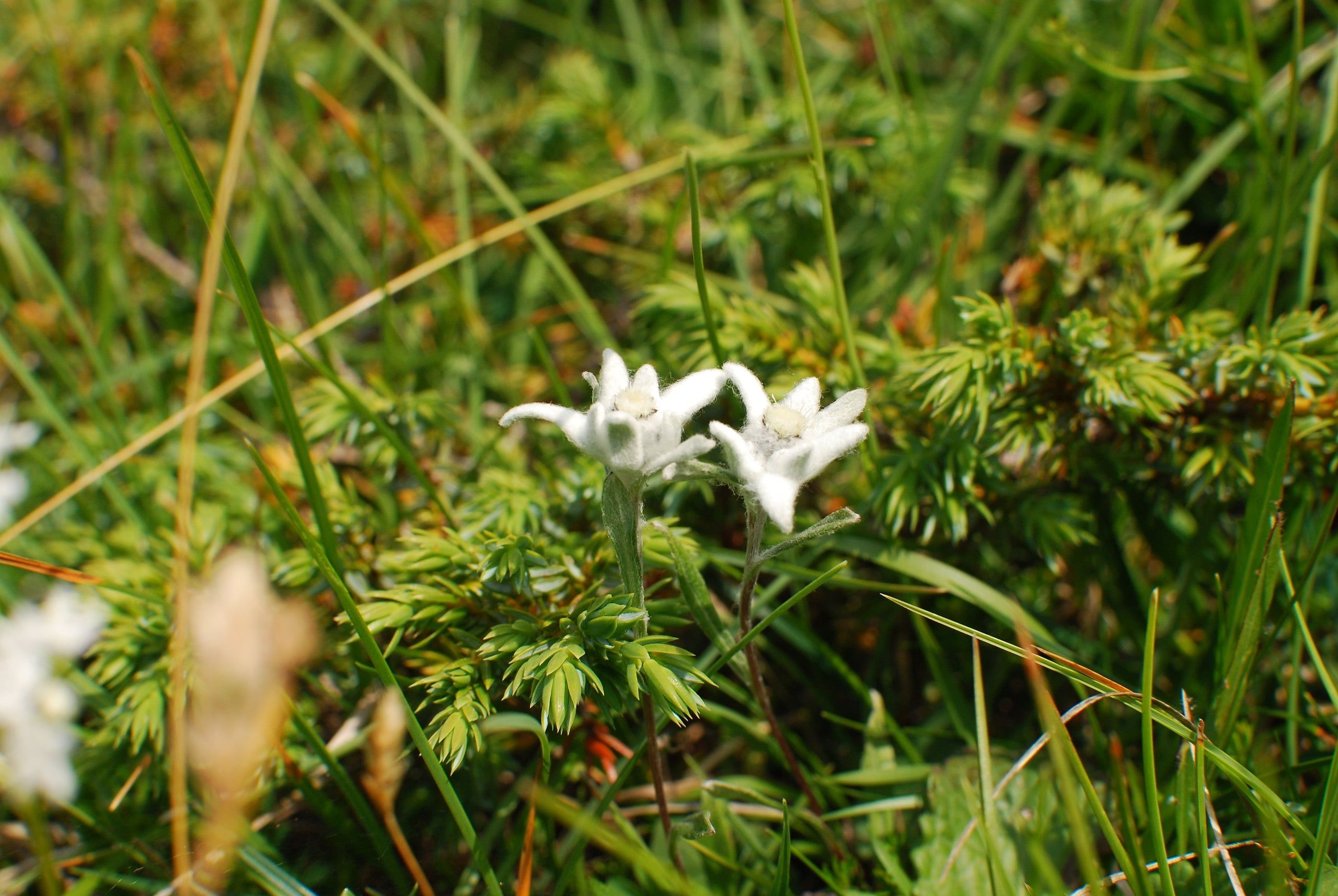
Nature · Zambla Alta · Oltre il Colle
The endemic flora of the Arera and the Alben
Endemic flowers of Arera and Alben: Linaria tonzigii, Primula albenensis, Galium montis-arerae. When they bloom, where to see them, why they are not picked.
The mountains around the Oltre il Colle basin have a flora found nowhere else. The Orobie Bergamasche Park counts about fifty endemic species in its territory and around ten species on the Italian Red List, six of them exclusive to the Orobie; two carry the names of the local mountains: Galium montis-arerae, the Pizzo Arera bedstraw, and Primula albenensis, the Monte Alben primrose.
On the Arera the emblematic species is Linaria tonzigii, a small yellow toadflax of limestone scree: in the Val Nossana – Cima di Grem Special Area of Conservation, between the Valle d'Arera and the Mandrone cirque, live 40 to 50 per cent of all the individuals in existence today (Province of Bergamo). On the Alben the rarity is the primrose described in 1993, which grows in cracks in the dolomite cliffs.
The way to see them is to walk the right trails at the right time, without leaving the path and without picking anything: in Lombardy all the species mentioned on this page are strictly protected by regional law 10 of 2008.
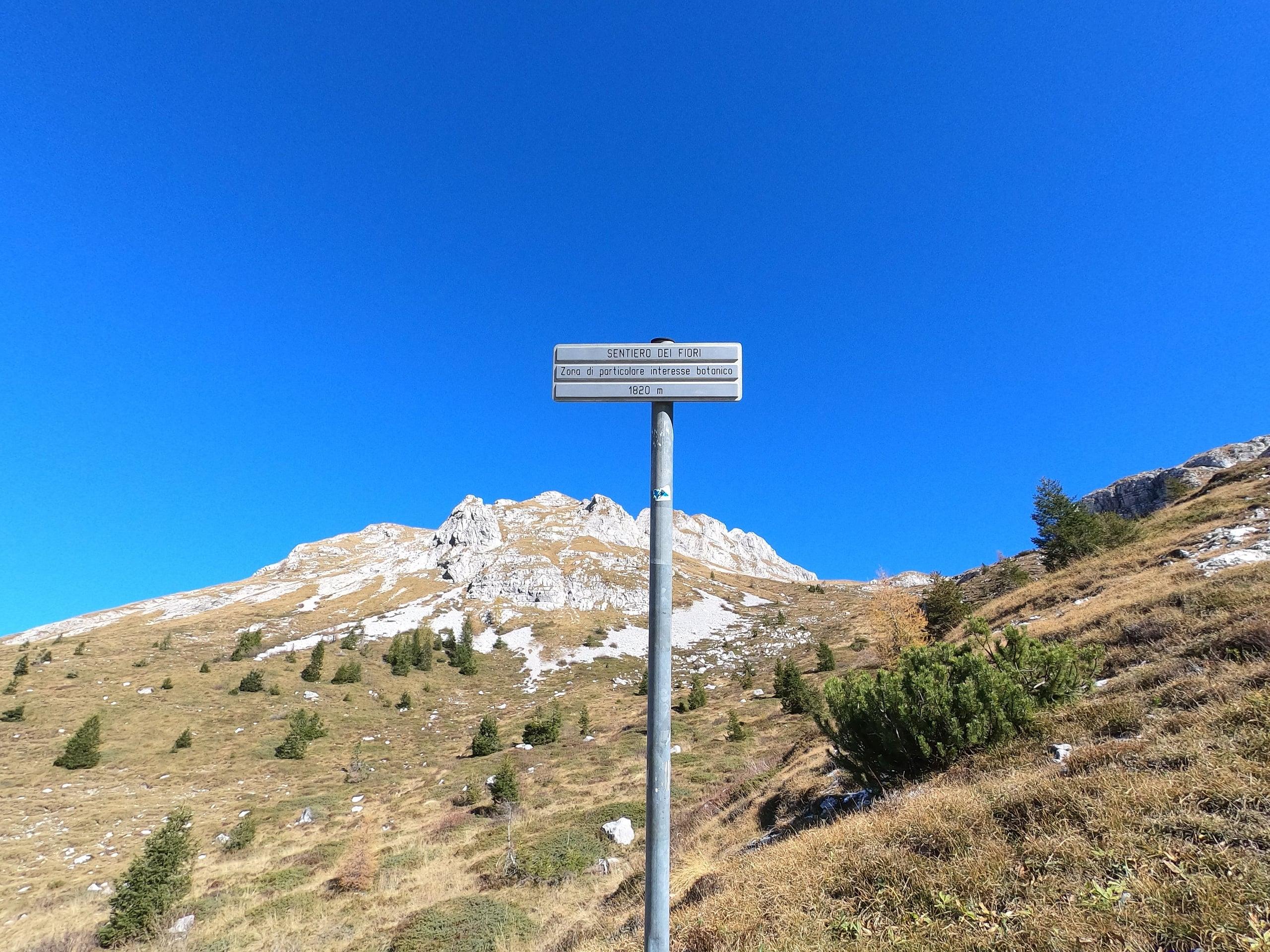
Photo: Amadvance · CC BY-SA 4.0
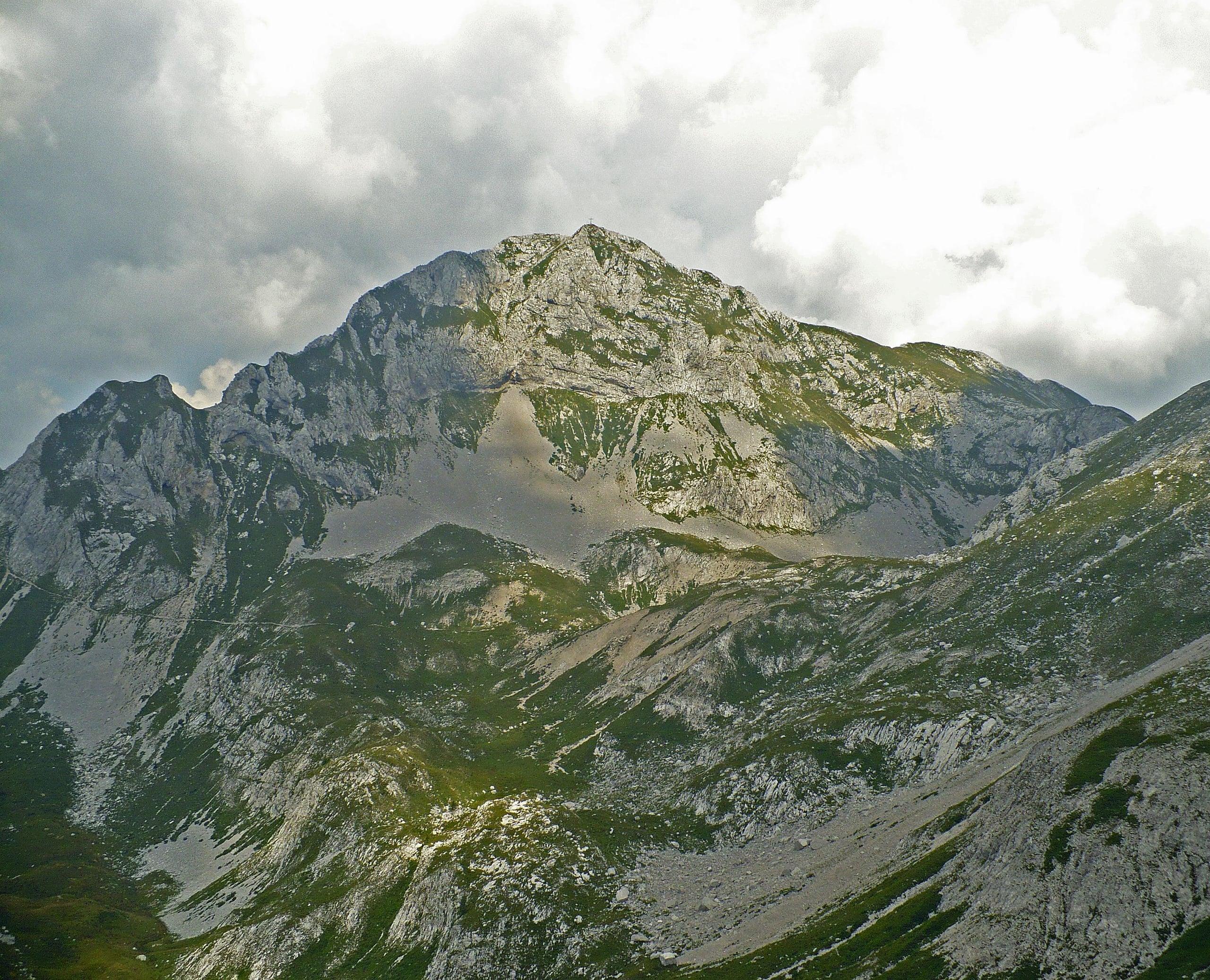
Photo: MatthewGhera · CC BY-SA 4.0
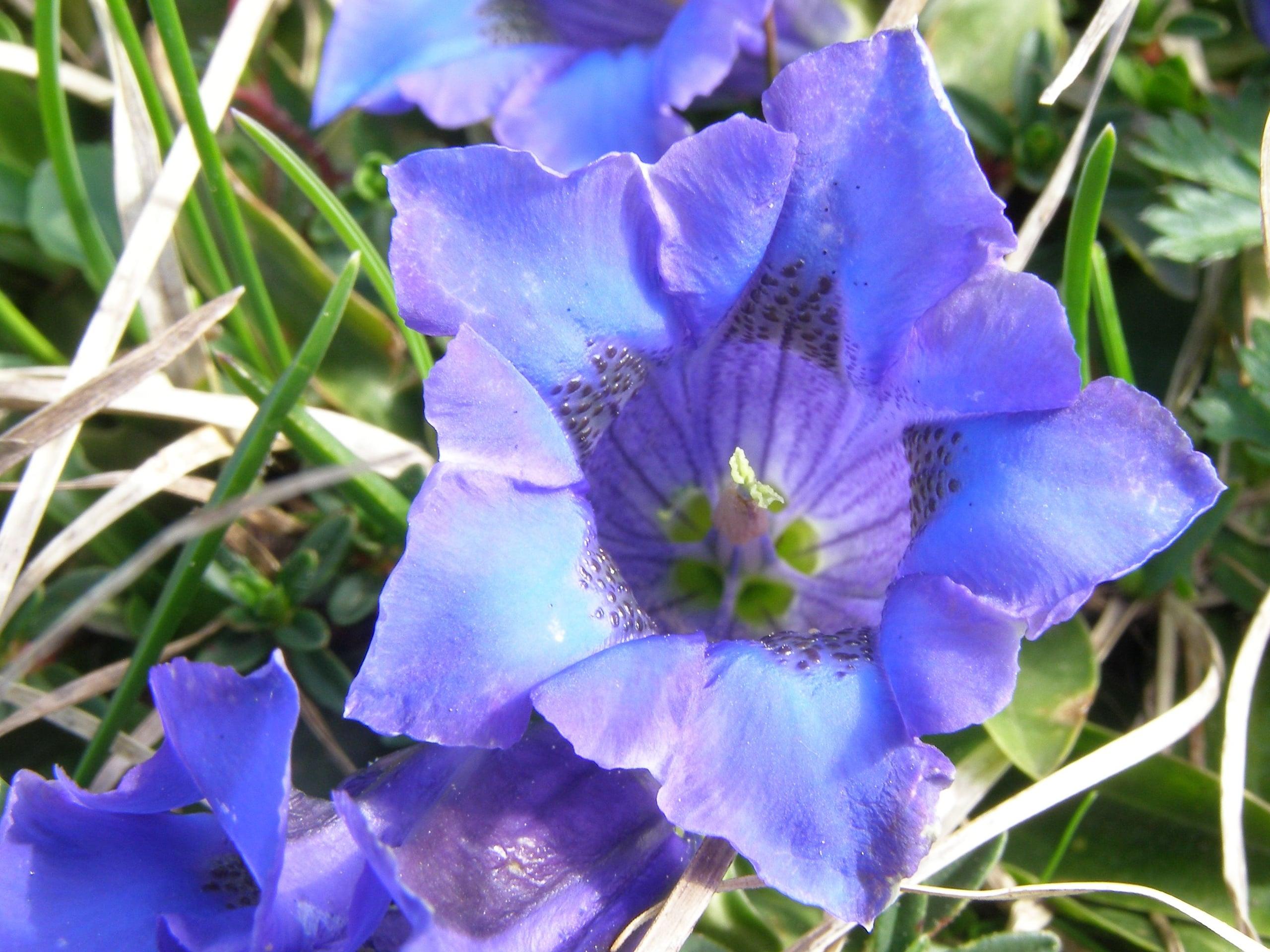
Photo: Nicola Fotonico · CC BY-SA 4.0
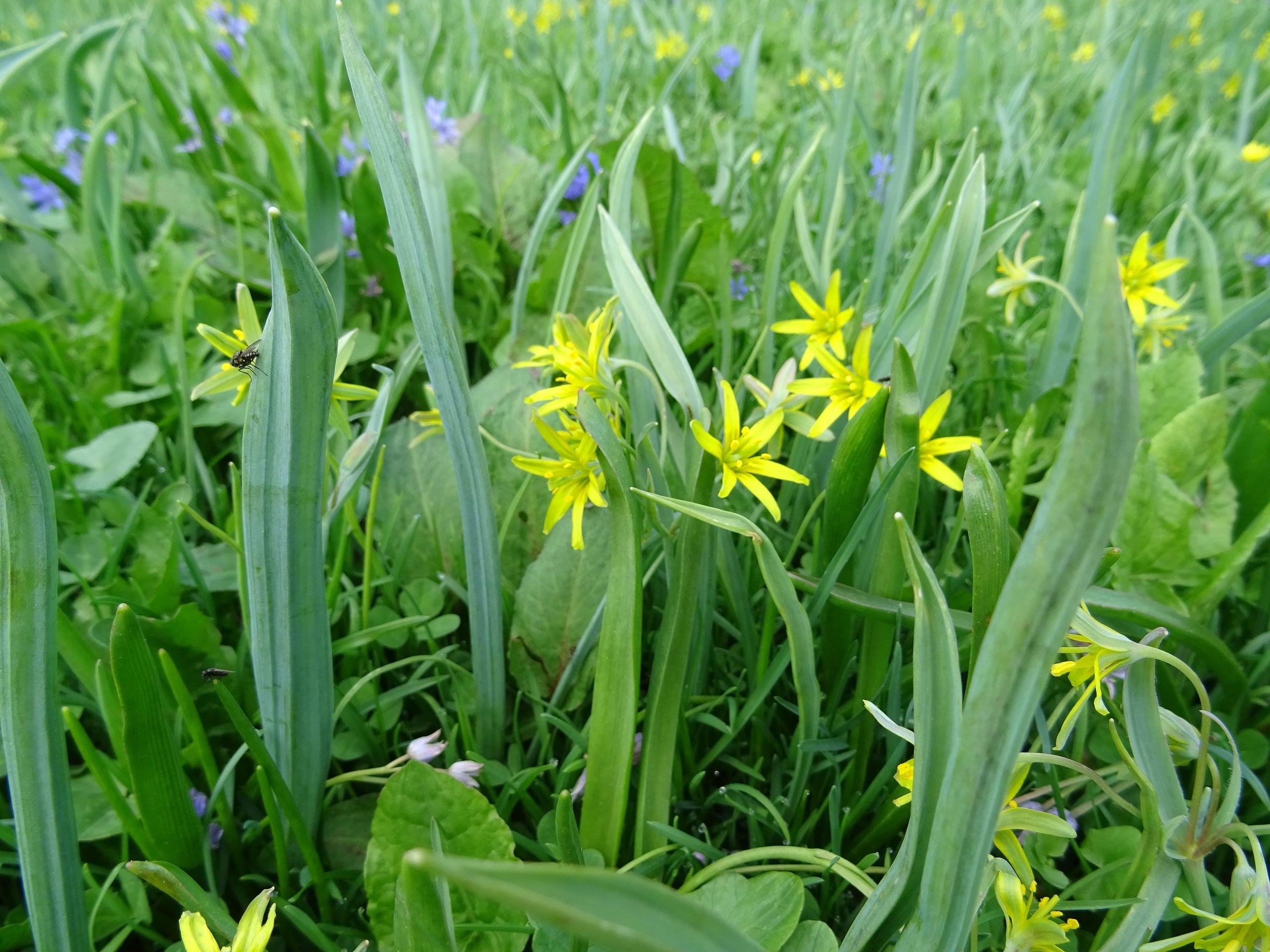
Photo: Nicola Fotonico · CC BY-SA 4.0
Why the Arera and the Alben are a botanical special case
The Park explains the richness of the flora with the variety of habitats and with the glaciations, which isolated plant populations and favoured the formation of new species. The Club Aquile Rampanti, which has documented the species along the normal route up the Arera, adds the most quoted hypothesis: some Prealpine areas, including the Pizzo Arera, were not covered by ice and acted as refuges for species that vanished elsewhere, on a limestone-dolomite substrate and with a wetter climate than the main Alpine ridge.
The result is a mosaic of scree, ledges, cliffs and stony pastures in which different species occupy very narrow niches. According to the Club Aquile Rampanti, Primula albenensis and Linaria tonzigii are the only two strict endemics of the province of Bergamo; the Park notes that the Linaria is known from very few sites between the Arera and the Presolana.
The species to recognise
Linaria tonzigii, the Bergamo toadflax, was described by Fausto Lona in 1949 and dedicated to the Milanese botanist Sergio Tonzig (Acta Plantarum). It is a plant 6-10 centimetres tall, with stems woody at the base that creep among the stones, leaves in threes and yellow flowers 21-25 millimetres long with a 10-11 millimetre spur; it flowers from late June to mid-July and ripens its seeds between July and August, but spreads mainly by lengthening its stems through the debris. It grows only on unstable carbonate scree between 1,600 and 2,400 metres, in four groups: Monte Cavallo-Pegherolo, Cima di Menna, Pizzo Arera and Monte Ferrante (Lombardy Region).
Galium montis-arerae, the Pizzo Arera bedstraw, was described in 1957 by Merxmüller and Ehrendorfer and has the Arera as its type locality (Acta Plantarum, Wikipedia). It has square stems, fleshy leaves in whorls of six to eight and a panicle of yellow flowers; it lives only between Monte Pegherolo and the Concarena. Along the Sentiero dei Fiori the Club Aquile Rampanti reports it on the scree of the first stretch, a short distance from the Capanna 2000.
Primula albenensis was noticed in 1988 by Enrico Banfi and Renato Ferlinghetti on the slopes of Monte Alben and described as a new species in 1993 in the journal Webbia. It is a low, entirely mealy plant, with flowers from purplish pink to violet; it grows in cracks in limestone-dolomite cliffs, usually shaded and facing north, between 670 and 2,000 metres, and flowers from April to June: on the Alben its sites lie above 1,150 metres and flower later (Club Aquile Rampanti). Besides the Alben it grows in the Aralalta group and the Val d'Ancogno; in 2023 Banfi and Ferlinghetti described Primula × chignolensis, a hybrid with Primula auricula found above Chignolo d'Oneta and on the Alben ridge.
Other species the Club Aquile Rampanti observed in late July between the Capanna 2000, the summit and the Mandrone include Campanula raineri, the archduke's bellflower, in rock cracks; Primula glaucescens, the Lombardy primrose, which flowers as soon as the snow melts; Silene elisabethae in the dry meadows above the hut; Allium insubricum, abundant between the hut and the Passo Gabbia; Minuartia grignensis on the overhanging walls before the Mandrone; and Saxifraga vandellii, which flowers in June.
Where to see them without harming them
The reference route is the Sentiero dei Fiori, the loop CAI Bergamo builds from a stretch of trail 244, trail 218 from the Mandrone to the Passo Branchino and trail 222 for the return, graded E and marked with panels on the area's natural features: according to the Orobie Park it stays between 1,821 and 2,078 metres, and the hut's page on the regional portal reckons about 3 hours. The Club Aquile Rampanti advises going at least as far as the Mandrone scree, about three quarters of an hour from the Capanna 2000: the first stretch crosses dry meadows with Allium insubricum and Campanula raineri, goes over the Passo Gabbia and drops below a line of overhangs to the debris where Linaria tonzigii grows. The full circuit of the Arera is a different matter: it stays on trail 244 and crosses the Forcola di Valmora, is graded EE, and since 31 May 2026 the CAI has reported some chain anchors detached below the col.
To walk up to the Capanna 2000, Flora Alpina Bergamasca suggests trail 221 from Zambla instead of the road: it is the Sentiero FAB dell'Arera, described in a 2015 booklet produced with the municipality of Oltre il Colle and later merged into the book «I sentieri dei fiori dell'Arera» (EQUA, 2018, 144 pages). Primula albenensis, on the other hand, is to be looked for on the cliffs of the Alben, from April to June.
Scree and ledges are the very habitat of these plants: look at them from the path. The Region observes that walking on scree is not in itself the main threat to the Linaria, which likes mobile debris, but lists picking in the most accessible spots among the risks; the provincial description of the SAC calls for regulating the growing flow of visitors, botanists included, on the Sentiero dei Fiori.
The rules: what you may not pick
In Lombardy regional law 10 of 2008 divides protected flora into two lists, 663 species in all: on list C1 picking is forbidden, on list C2 you may pick at most six specimens, branches or fronds per person per day; for woodland fruits such as bilberries, strawberries and raspberries the limit is one kilogram per person per day (Flora Alpina Bergamasca).
List C1, approved by regional resolution 8/11102 of 2010, includes all species of primrose, saxifrage, rock-jasmine and gentian, except the spotted gentian, which is on list C2, and also Linaria tonzigii, Galium montis-arerae, Campanula raineri, Physoplexis comosa, Allium insubricum, Silene elisabethae, Minuartia grignensis, Viola comollia and edelweiss. Linaria tonzigii is also listed in Annex II of the European Habitats Directive. The practical rule given by Flora Alpina Bergamasca is the simplest: do not pick any flower.
The Orobie Park and the protected areas around Oltre il Colle
The Orobie Bergamasche Regional Park was established by regional law 56 of 15 September 1989 and Oltre il Colle is one of its municipalities (Parks.it). Around the village there are two Special Areas of Conservation managed by the Park: IT2060009 Val Nossana – Cima di Grem, 3,369 hectares from the slopes of the Pizzo Arera to the Cime di Belloro, and IT2060008 Valle Parina, 2,225 hectares from the Cima di Menna to the mouth of the Parina (Province of Bergamo).
Viola comollia, often listed among the rarest flowers of the Orobie, is not one to look for here: it grows on siliceous scree and rubble (Acta Plantarum), while the Arera and the Alben are limestone.
In detail
The species to recognise and when they flower
| Species | Where to look | Flowering according to the sources | Protection |
|---|---|---|---|
| Linaria tonzigii (Bergamo toadflax) | Limestone scree between 1,600 and 2,400 m: Valle d'Arera, Mandrone, Cima di Menna | Late June to mid-July | Annex II Habitats Directive; picking forbidden (C1) |
| Primula albenensis (Monte Alben primrose) | Cracks in the limestone-dolomite cliffs of the Alben, above 1,150 m | April to June | Picking forbidden (C1, all primroses) |
| Galium montis-arerae (Pizzo Arera bedstraw) | Scree on the first stretch of the Sentiero dei Fiori, near the Capanna 2000 | Not given by the sources consulted | Picking forbidden (C1) |
| Campanula raineri (archduke's bellflower) | Rock cracks between the Capanna 2000 and the summit of the Arera | Late July to late August | Picking forbidden (C1) |
| Primula glaucescens (Lombardy primrose) | Cliffs and stony pastures on the normal route up the Arera | Right after the snow melts | Picking forbidden (C1) |
| Allium insubricum (Insubrian garlic) | Dry meadows between the Capanna 2000 and the Passo Gabbia | Seen in flower in late July | Picking forbidden (C1) |
| Saxifraga vandellii | Cliffs along the Sentiero dei Fiori up to the Mandrone | June | Picking forbidden (C1, all saxifrages) |
Distribution and flowering from the Lombardy Region (Linaria tonzigii), the Province of Bergamo and the Club Aquile Rampanti; protection from the lists of regional law 10/2008 published by Flora Alpina Bergamasca.
Practical tips
Before you set off
- For Linaria tonzigii go between late June and mid-July; for Primula albenensis on the Alben between April and June.
- Do not pick anything: all the species on this page are on list C1 of the regional law, the one where picking is forbidden.
- Stay on the path: scree and ledges are the habitat of the plants you have come to see.
- Bring a macro lens or a short zoom: almost all these species are small and grow in cracks.
- Before tackling the full circuit of the Arera, check the CAI notices for trail 244.
FAQ
Frequently asked questions: The endemic flora of the Arera and the Alben
Which endemic flowers can you see on the Pizzo Arera?
The most famous is Linaria tonzigii, which lives only on a few limestone scree slopes of the Bergamo Orobie, including the Valle d'Arera and the Mandrone. Along the Sentiero dei Fiori you also find Galium montis-arerae, Campanula raineri, Allium insubricum, Silene elisabethae, Minuartia grignensis and Primula glaucescens.
What is Primula albenensis and where does it grow?
It is a mealy primrose with flowers from purplish pink to violet, noticed in 1988 on Monte Alben and described in 1993 by Banfi and Ferlinghetti. It grows in cracks in limestone-dolomite cliffs, on the Alben above 1,150 metres, in the Aralalta group and the Val d'Ancogno, and flowers from April to June.
When does Linaria tonzigii flower?
From late June to mid-July, with seeds ripening between July and August (Lombardy Region). It grows only on unstable carbonate scree between 1,600 and 2,400 metres, in four groups: Pegherolo, Cima di Menna, Pizzo Arera and Monte Ferrante.
What is the best time to see the flowers of the Arera and the Alben?
It depends on the species: April to June for Primula albenensis on the cliffs of the Alben, right after the snow melts for Primula glaucescens, late June to mid-July for Linaria tonzigii, late July to late August for Campanula raineri.
Can you pick flowers on the Arera?
No. In Lombardy regional law 10 of 2008 forbids picking the species on list C1, which includes all primroses, saxifrages, rock-jasmines and almost all gentians, as well as Linaria tonzigii, Galium montis-arerae, Campanula raineri and edelweiss.
Is Viola comollia found on the Arera?
Not according to the sources: Viola comollia is an Orobie endemic that grows on siliceous scree and rubble (Acta Plantarum), while the Arera and the Alben are limestone mountains.
Is Oltre il Colle part of the Orobie Bergamasche Park?
Yes, the municipality is one of those of the Orobie Bergamasche Regional Park, established in 1989. Its territory also includes two Special Areas of Conservation managed by the Park: Val Nossana – Cima di Grem and Valle Parina.
Are there guides for identifying the flowers of the Arera?
Yes: in 2015 Flora Alpina Bergamasca published, with the municipality of Oltre il Colle, the booklet «Il Sentiero FAB dell'Arera», and in 2018 the book «I sentieri dei fiori dell'Arera» (EQUA, 144 pages), which combines the guide to the Brissoni trail and the one to the FAB trail.
Sources
- Parco delle Orobie Bergamasche – flora ed endemismi · www.parcorobie.it · accessed on 1 October 2026
- Provincia di Bergamo – ZSC Val Nossana – Cima di Grem (IT2060009), Linaria tonzigii · www.provincia.bergamo.it · accessed on 1 October 2026
- Provincia di Bergamo – ZSC Valle Parina (IT2060008) · www.provincia.bergamo.it · accessed on 1 October 2026
- Regione Lombardia, Biodiversità in Lombardia – scheda Linaria tonzigii (Raimondi e Brusa, 2020) · www.biodiversita.lombardia.it · accessed on 1 October 2026
- Acta Plantarum – Linaria tonzigii · www.actaplantarum.org · accessed on 1 October 2026
- Acta Plantarum – Galium montis-arerae · www.actaplantarum.org · accessed on 1 October 2026
- Acta Plantarum – Primula albenensis · www.actaplantarum.org · accessed on 1 October 2026
- Acta Plantarum – Viola comollia · www.actaplantarum.org · accessed on 1 October 2026
- Portale della Flora d'Italia – Linaria tonzigii · dryades.units.it · accessed on 1 October 2026
- Wikipedia (en) – Galium montis-arerae · en.wikipedia.org · accessed on 1 October 2026
- Banfi e Ferlinghetti, «Primula × chignolensis», Natural History Sciences 11 (2023) · sisn.pagepress.org · accessed on 1 October 2026
- Club Aquile Rampanti – Pizzo Arera, endemismi lungo la via normale e il Sentiero dei Fiori · www.clubaquilerampanti.it · accessed on 1 October 2026
- Club Aquile Rampanti – Primula del Monte Alben · www.clubaquilerampanti.it · accessed on 1 October 2026
- Flora Alpina Bergamasca – Flora protetta e legge regionale 10/2008 · www.floralpinabergamasca.net · accessed on 1 October 2026
- Flora Alpina Bergamasca – elenchi della flora protetta (d.g.r. 8/11102 del 2010) · www.floralpinabergamasca.net · accessed on 1 October 2026
- Flora Alpina Bergamasca – pubblicazioni sull'Arera · www.floralpinabergamasca.net · accessed on 1 October 2026
- CAI Bergamo, geoportale – itinerario Sentiero dei fiori · www.caibergamo.it · accessed on 1 October 2026
- CAI Bergamo, geoportale – sentiero 244 periplo del Pizzo Arera (avviso del 31 maggio 2026) · www.caibergamo.it · accessed on 1 October 2026
- Parks.it – Parco delle Orobie Bergamasche, Sentiero dei Fiori e delle Farfalle (quote dell'anello) · www.parks.it · accessed on 1 October 2026
- Rifugi di Lombardia – Rifugio Capanna 2000, escursioni dal rifugio (Sentiero dei Fiori, circa 3 ore) · www.rifugi.lombardia.it · accessed on 1 October 2026
- Parks.it – Parco delle Orobie Bergamasche (istituzione e comuni) · www.parks.it · accessed on 1 October 2026
- Wikipedia – Monte Alben (Primula albenensis) · it.wikipedia.org · accessed on 1 October 2026
- OpenStreetMap – Passo Gabbia sul Sentiero dei Fiori · www.openstreetmap.org · accessed on 1 October 2026
Page verified on
Nearby
More pages from around here
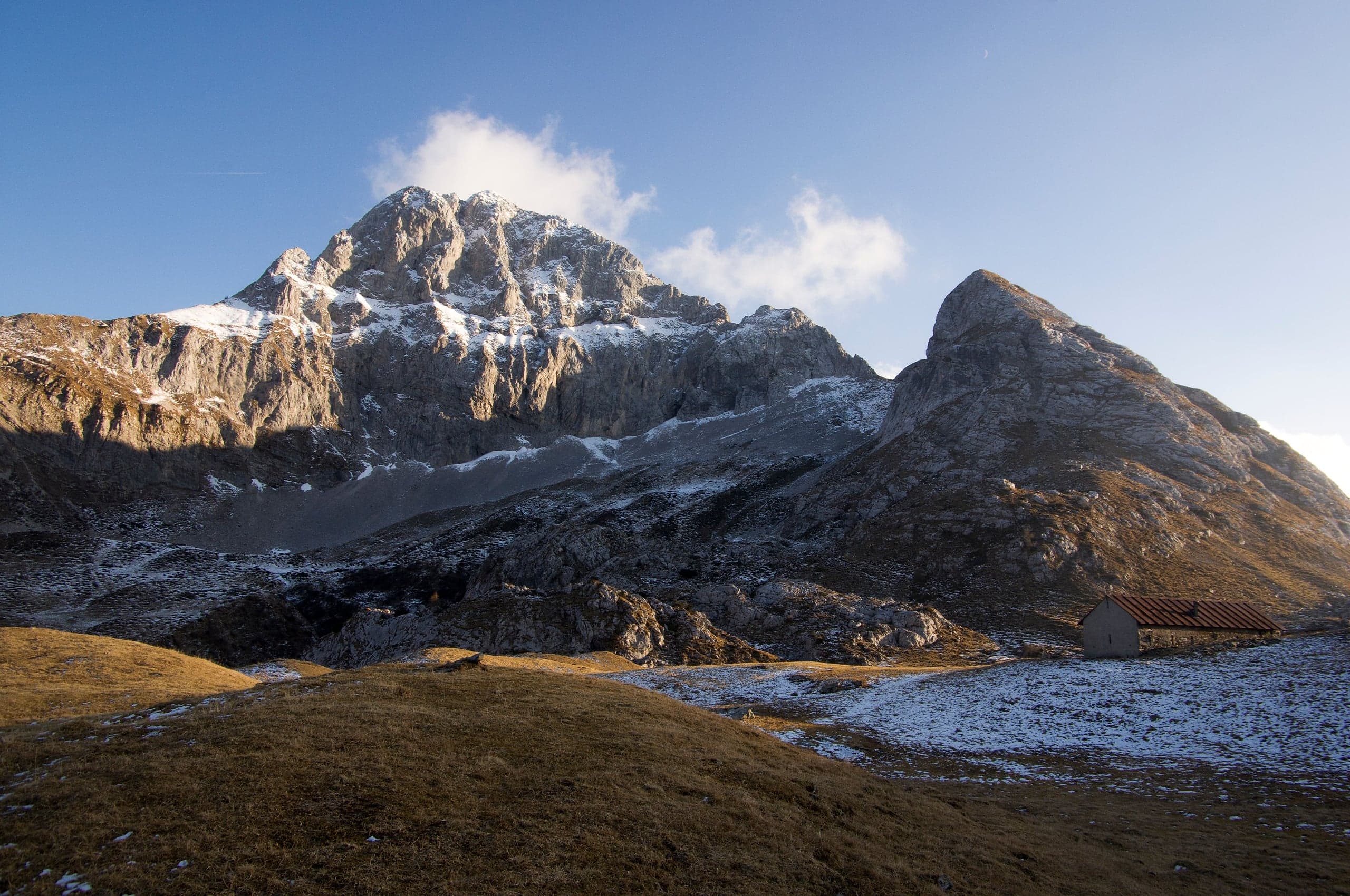
Hikes · 2 minutes
Sentiero dei Fiori “Claudio Brissoni”
Sentiero dei Fiori Claudio Brissoni: a CAI loop of about 3 hours from the Capanna 2000 to Passo Branchino, 1,821–2,078 m, on the flowering slopes of the Arera.
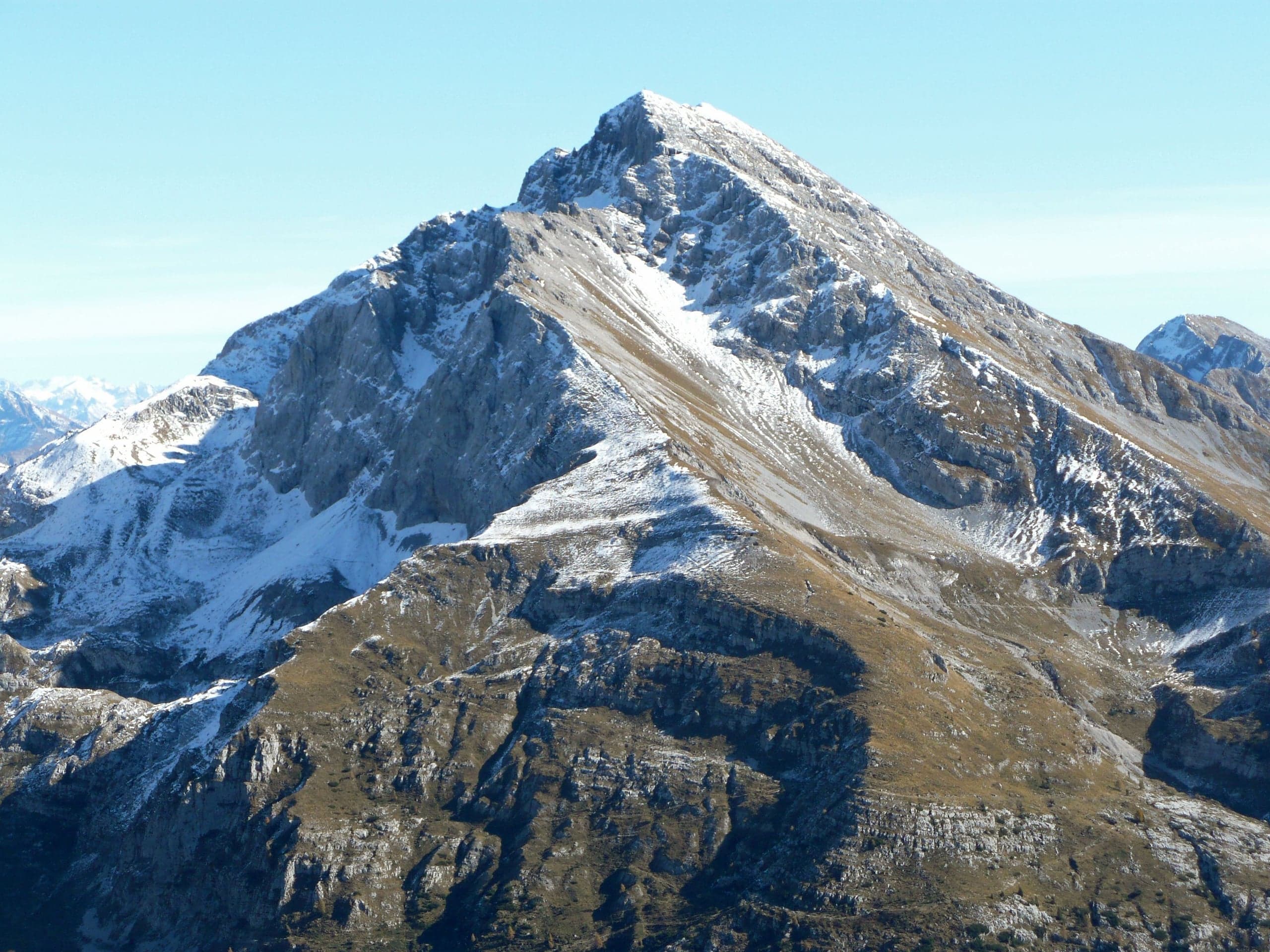
Summits · 2 minutes
Pizzo Arera (2,512 m) by the south normal route
Pizzo Arera, 2,512 m, by the south normal route: from the Alpe Arera car park 922 m of ascent and about 2 h 30, with a protected gully just below the summit.
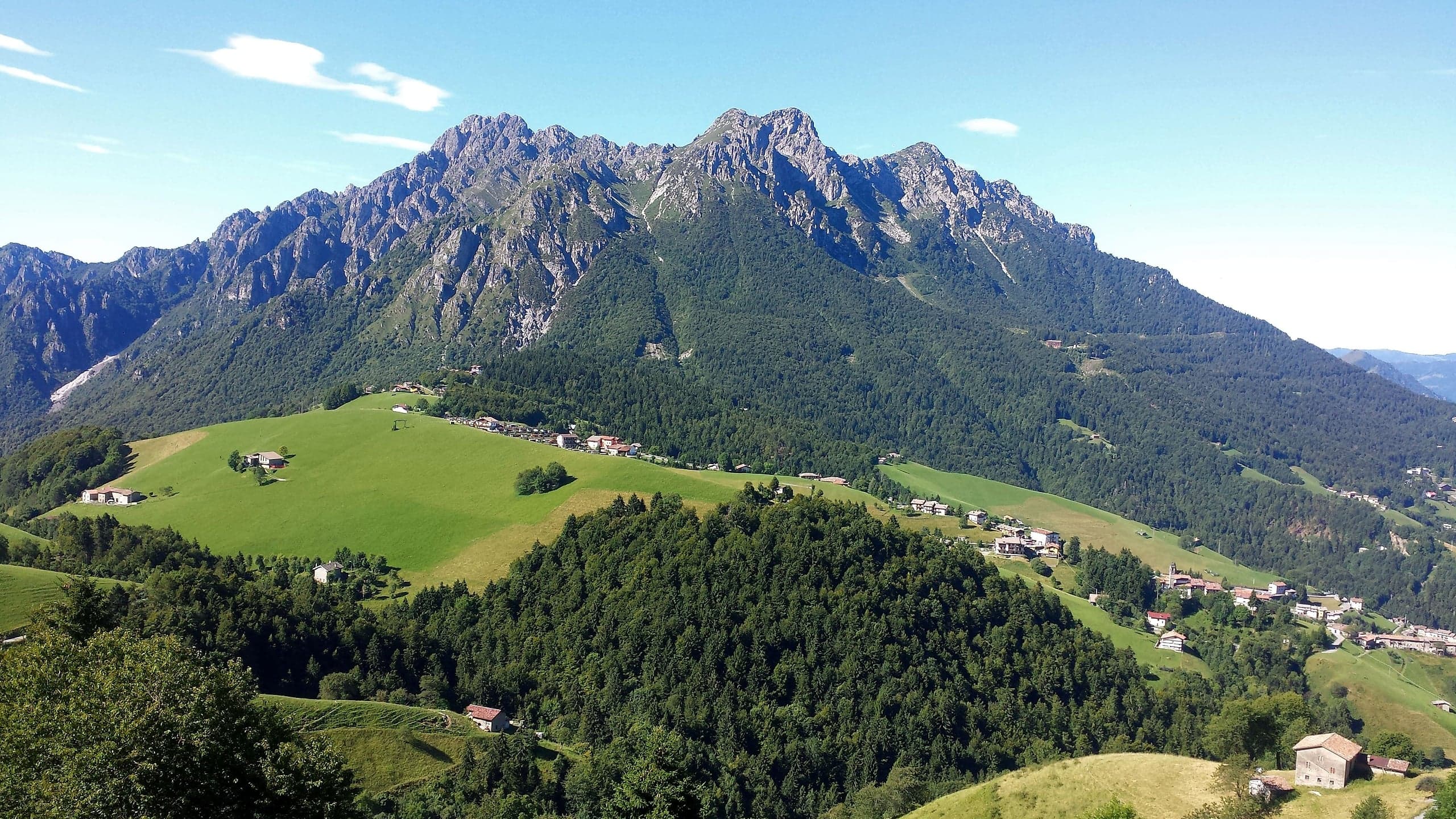
Summits · 2 minutes
Monte Alben (2,019 m) from the Colle di Zambla
Monte Alben, 2,019 m, from the Colle di Zambla on CAI trail 501: 750 m and 2 h 15 via the Col dei Brassamonti, Passo della Forca and the final EE ridge.
Mountain huts · 2 minutes
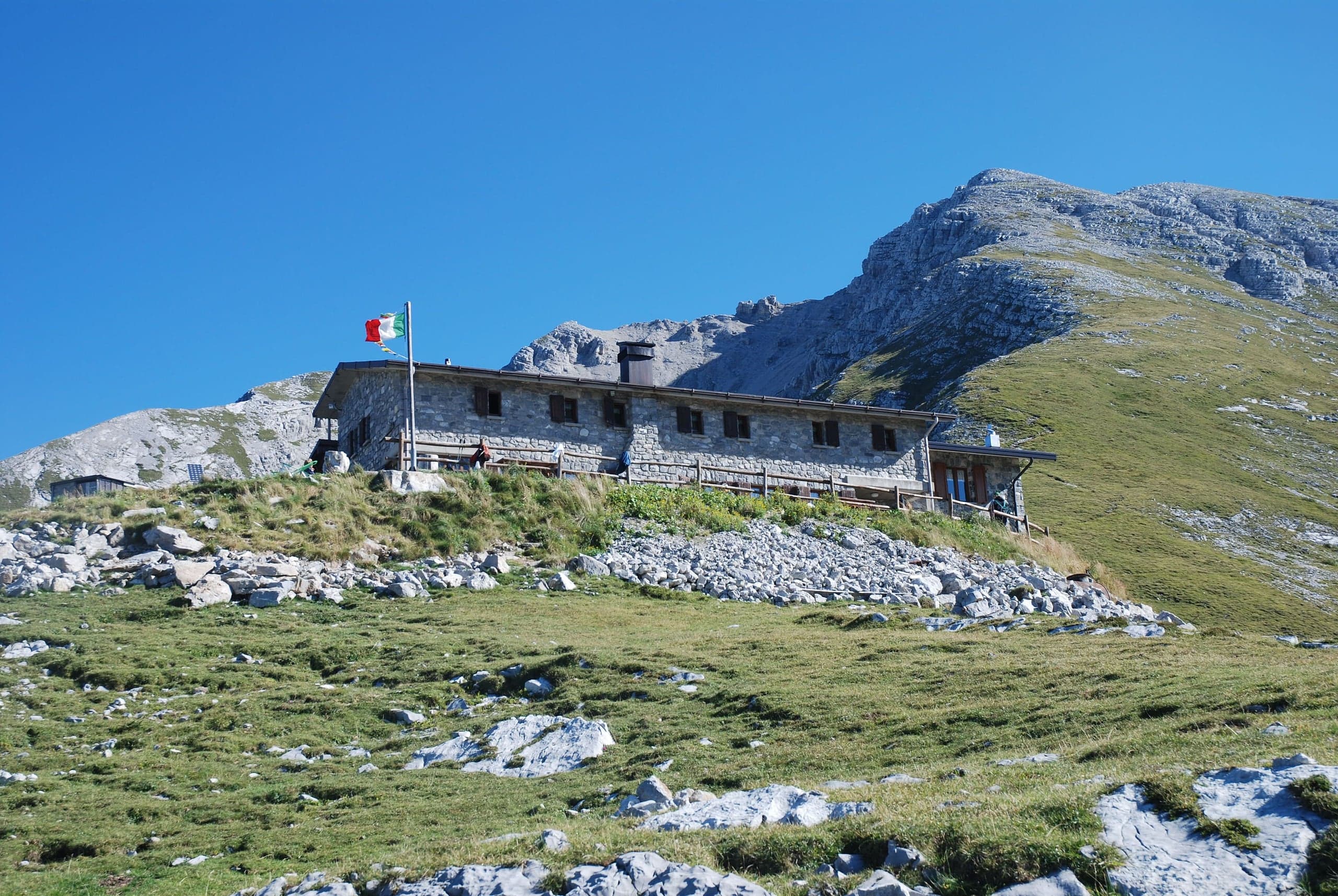
Capanna 2000 hut
Capanna 2000 hut, 1,960 m below the Pizzo Arera: owned by Oltre il Colle, 25 beds, an hour from the Alpe Arera car park. Opening periods, booking and contacts.